
US enforces blockade in Gulf of Oman, disables Gambia-flagged vessel
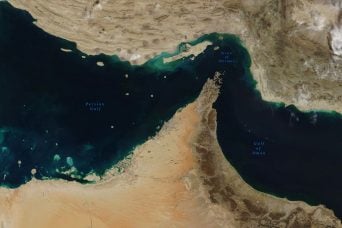
The US has enforced a blockade in the Gulf of Oman and disabled a Gambia-flagged vessel, escalating regional tensions. This action threatens global oil supply chains and could significantly impact energy markets and cryptocurrency valuations tied to macroeconomic stability.
The US enforcement action in the Gulf of Oman represents a significant escalation in regional geopolitical tensions with far-reaching consequences for global markets. The blockade and vessel interdiction signal hardened US military posture in a critical strategic waterway through which substantial portions of global energy trade flow. This development directly threatens supply chain stability and energy price stability, two fundamental anchors for macroeconomic forecasting that influence cryptocurrency valuations across all asset classes.
The Gulf of Oman blockade exists within the broader context of Middle Eastern instability, maritime security concerns, and US regional military strategy. Previous tensions in this waterway, including drone incidents and tanker seizures, have repeatedly roiled oil markets and triggered risk-off sentiment across traditional and digital assets. The targeting of a Gambia-flagged vessel suggests enforcement against sanctions evasion or illicit cargo transport, indicating tightened maritime surveillance and potential expansion of sanctions regimes.
For cryptocurrency investors and traders, this event carries dual implications. Elevated geopolitical risk typically drives flight-to-safety behavior, boosting haven assets including precious metals and sometimes Bitcoin during macro uncertainty. Conversely, disrupted oil markets could trigger inflation concerns and central bank policy responses that negatively impact risk assets. Energy price volatility directly affects mining economics and transaction costs across blockchain networks, particularly proof-of-work systems dependent on electricity costs.
The blockade's trajectory matters significantly for 2024-2025 market conditions. Further escalation could trigger broader sanctions regimes affecting global trade finance, cryptocurrency exchange operations, and asset transfers. Market participants should monitor shipping insurance premiums, oil futures volatility, and official statements from regional powers as leading indicators of escalation probability.
- →US blockade in Gulf of Oman disrupts critical global energy shipping routes affecting oil price stability
- →Geopolitical escalation typically triggers risk-off sentiment, influencing Bitcoin and cryptocurrency valuations
- →Energy price volatility directly impacts blockchain mining profitability and network transaction economics
- →Potential expansion of maritime sanctions could restrict cryptocurrency exchange operations and cross-border transfers
- →Investors should monitor shipping costs and oil futures as early indicators of blockade severity and duration