
Adm. Cooper visit signals continued US blockade in Strait of Hormuz
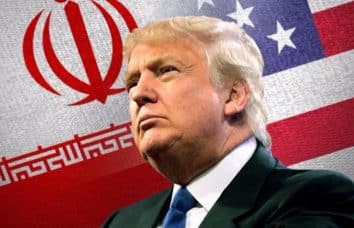
Admiral Cooper's visit to the Strait of Hormuz underscores the US commitment to maintaining a military blockade in one of the world's most critical chokepoints for global oil shipping. The continued geopolitical tension in the region threatens to disrupt energy markets and complicate diplomatic efforts, with potential ripple effects across commodities and macro asset prices.
The Strait of Hormuz remains a flashpoint for US-Iran tensions, with the blockade signaling continued military deterrence in a region responsible for roughly 20% of global oil transit. Admiral Cooper's visit represents a show of force that reinforces American commitment to maintaining freedom of navigation, though it simultaneously escalates rhetorical tensions with regional adversaries. This ongoing standoff reflects deeper structural conflicts over regional influence, nuclear agreements, and energy security that have persisted for years.
Historically, disruptions to Hormuz shipping have triggered volatile swings in crude oil prices, which cascade through energy markets and broader macroeconomic sentiment. Cryptocurrency markets often track macro risk assets during geopolitical crises, as investors reassess safe-haven allocations and inflation expectations. The blockade narrative amplifies supply-side concerns for oil, potentially supporting higher energy prices and inflation expectations that could influence Federal Reserve policy and asset valuations across digital and traditional markets.
For crypto markets specifically, sustained geopolitical tension typically strengthens risk-off sentiment, pressuring speculative assets while supporting alternative stores of value like Bitcoin. Oil price volatility directly influences inflation projections, which affect real yields and cryptocurrency valuations. Investors monitoring Hormuz tensions should track crude oil futures and broader inflation expectations as leading indicators for crypto market direction. The diplomatic calculus remains fluid, with potential escalation or negotiation both possible outcomes that would significantly alter market positioning.
- →Admiral Cooper's visit reinforces US military presence and commitment to Strait of Hormuz operations amid heightened geopolitical tensions
- →The blockade creates direct supply-side risks for global oil markets, historically triggering crude volatility that impacts inflation expectations
- →Crypto markets typically experience risk-off pressure during Middle East geopolitical crises as investors reduce speculative exposure
- →Sustained regional tension could support higher energy prices and inflation expectations, pressuring real yields and asset valuations
- →Diplomatic outcomes remain uncertain, creating bifurcated scenarios for both traditional energy markets and crypto sentiment