
US maintains legal blockade of Strait of Hormuz, reducing war declaration likelihood
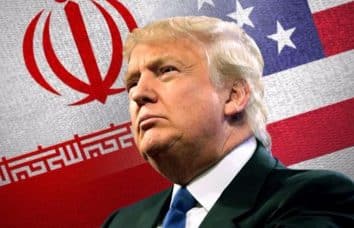
The US maintains a legal blockade of the Strait of Hormuz as a strategic pressure tactic against Iran, reducing immediate war declaration risks while sustaining long-term tensions. This approach signals a preference for controlled escalation over direct military confrontation, with significant implications for global energy markets and geopolitical stability.
The US decision to maintain rather than escalate its Strait of Hormuz blockade reflects a calibrated geopolitical strategy designed to pressure Iran without triggering full-scale military conflict. This approach demonstrates how major powers manage escalation dynamics in critical global chokepoints, where approximately 21% of the world's petroleum passes through the waterway. The blockade operates within international legal frameworks, allowing the US to justify its actions diplomatically while constraining Iranian economic activity and access to international markets.
Historically, US-Iran tensions have fluctuated between sanctions regimes, proxy conflicts, and direct confrontations. The maintenance of this blockade follows a pattern of incremental pressure rather than sudden escalation, consistent with broader US strategy toward Iran since 2018. The continuation signals that despite rhetorical tensions, both parties appear to be operating within understood boundaries that stop short of declaration of war.
For cryptocurrency and blockchain markets, geopolitical stability in the Middle East carries significant weight. Energy price volatility directly influences inflation expectations and central bank policy, which cascades into risk asset valuations including crypto. A sustained blockade creates moderate economic uncertainty without the spike associated with active warfare, potentially keeping energy premiums elevated but predictable. Investors should monitor whether this situation escalates or remains frozen, as sudden changes could trigger volatility across traditional and digital asset classes.
Markets will watch for signs of either de-escalation through diplomatic channels or unexpected provocations that could shift this strategic equilibrium. The current posture suggests policymakers prefer sustained pressure over kinetic action, supporting relatively stable macroeconomic conditions despite geopolitical friction.
- →US maintains legal blockade as strategic pressure tool while avoiding war declaration
- →Approach reflects calculated escalation management rather than direct military confrontation
- →Strait of Hormuz blockade affects global oil markets and energy price stability
- →Sustained tension creates moderate economic uncertainty affecting risk asset valuations including crypto
- →Markets should monitor for escalation signals or diplomatic breakthroughs that could shift geopolitical equilibrium