
US Central Command steps up Gulf enforcement as naval blockade targets Iranian oil tankers
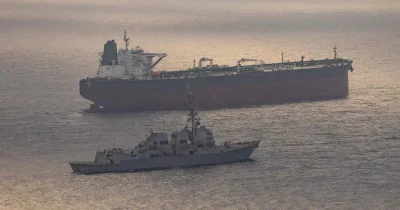
US Central Command has intensified naval enforcement operations in the Gulf, implementing a blockade targeting Iranian oil tankers. This escalation threatens to disrupt global oil markets and energy prices, with significant implications for geopolitical stability and commodity-linked asset valuations.
The US Central Command's heightened enforcement actions represent a substantial escalation in Gulf geopolitics, directly targeting Iran's oil export infrastructure through naval interdiction. This development signals intensifying US-Iran tensions and reflects broader strategic competition in one of the world's most critical energy chokepoints. The blockade of Iranian tankers restricts oil supply to international markets, creating artificial scarcity dynamics that historically drive commodity price volatility.
Context matters here. Tensions between the US and Iran have fluctuated for decades, but recent actions suggest a deliberate policy shift toward stricter enforcement of existing sanctions regimes. This follows a pattern of escalating maritime incidents and regulatory pressure on Iranian energy exports, part of the broader "maximum pressure" strategy targeting Tehran's revenue streams.
Market implications are material. Oil price volatility directly influences cryptocurrency valuations, particularly energy-intensive assets like Bitcoin, which faces scrutiny regarding proof-of-work sustainability. Higher energy costs ripple through global supply chains, affecting inflation expectations and central bank policy—factors that influence crypto risk appetite and traditional market correlations. Energy stocks and commodity futures markets will respond to supply disruption concerns, while geopolitical risk premiums typically elevate across safe-haven assets.
Investors should monitor several indicators: oil price movements, which may signal sustained supply disruption; US-Iran diplomatic signals, which could ease or intensify tensions; and broader macro market reactions, as energy inflation feeds into inflation expectations. Regional escalation risks remain elevated, potentially triggering safe-haven demand that historically benefits certain cryptocurrency narratives, particularly those emphasizing decentralization from traditional financial systems.
- →US Central Command blockade of Iranian oil tankers escalates Gulf tensions and threatens global energy supply stability
- →Oil market disruption from reduced Iranian exports could drive commodity price volatility affecting crypto valuations
- →Energy-intensive cryptocurrencies face renewed scrutiny as oil price inflation pressures sustainability narratives
- →Geopolitical risk premium elevation typically benefits safe-haven assets and decentralization-focused crypto narratives
- →Investors should monitor oil prices, diplomatic developments, and macro inflation expectations as key indicators