
US Central Command strikes Iran-bound oil tankers in Gulf of Oman enforcement operation
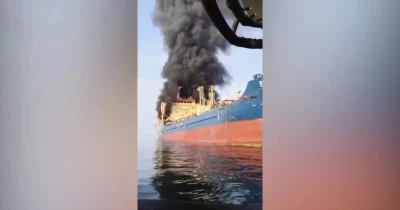
The US Central Command conducted military strikes against Iranian-flagged oil tankers in the Gulf of Oman as part of a blockade enforcement operation, disabling vessels with precision munitions. This geopolitical escalation in a critical shipping lane has potential implications for global energy markets and cryptocurrency volatility tied to macro risk sentiment.
The US military strike against Iranian oil tankers represents a significant escalation in regional tensions within one of the world's most critical energy chokepoints. The Gulf of Oman serves as a vital shipping corridor for roughly 21% of global petroleum trade, making any military action in this region a matter of international concern. The operation signals continued US enforcement of sanctions against Iran's oil sector, a policy that has been in place since 2018 with varying intensities depending on the administration.
This action follows a broader pattern of US-Iran tensions that have fluctuated over the past several years. Previous incidents in the region, including drone strikes and maritime confrontations, have created persistent uncertainty in global energy markets. The blockade enforcement suggests the US intends to maintain pressure on Iranian oil exports despite recent diplomatic efforts and nuclear negotiations.
For cryptocurrency and broader financial markets, geopolitical events affecting oil supply chains typically create risk-off sentiment that can trigger capital reallocation. Historically, uncertainty in Middle Eastern oil supplies has driven investors toward safe-haven assets and away from speculative holdings like cryptocurrencies. Energy price spikes resulting from supply disruptions can also fuel inflation concerns, affecting central bank policy expectations and asset valuations across markets.
Investors should monitor developments in US-Iran relations and any escalation in Gulf region hostilities, as these could trigger significant market volatility. The crypto market often responds to macro risk events with sharp swings as traders reassess portfolio positioning in response to geopolitical uncertainty.
- →US Central Command disabled Iranian oil tankers in the Gulf of Oman as part of ongoing sanctions enforcement operations.
- →The Gulf of Oman is a critical shipping lane responsible for approximately 21% of global petroleum trade.
- →Military escalation in this region typically creates risk-off sentiment that can pressure speculative assets including cryptocurrencies.
- →The action reflects continued US policy to restrict Iranian oil exports through military and economic enforcement mechanisms.
- →Investors should monitor regional escalation risks as further tensions could trigger energy supply disruptions and market volatility.