
US government seeks balanced trade with China, not system change
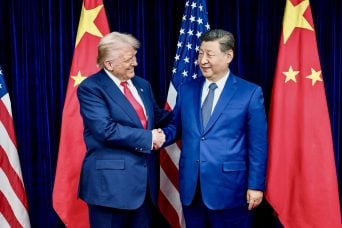
The US government's pursuit of balanced trade relations with China, rather than systemic economic overhaul, could provide regulatory clarity and reduce geopolitical volatility that impacts cryptocurrency markets. This measured approach may stabilize digital asset valuations by reducing uncertainty around US-China technology policy and trade restrictions.
The US government's shift toward negotiating balanced trade with China rather than pursuing structural economic reform represents a pragmatic policy adjustment with meaningful implications for cryptocurrency markets. This diplomatic posture suggests policymakers are prioritizing predictable, bilateral trade mechanics over radical decoupling or ideological confrontation, which reduces the tail-risk scenarios that crypto investors fear most.
Historically, US-China tensions have created acute volatility in crypto markets, particularly when trade disputes escalate into technology restrictions or financial sanctions. The 2020-2023 period saw repeated cryptocurrency sell-offs during geopolitical flare-ups, as investors repriced assets based on potential regulatory crackdowns or capital flow restrictions. A trade-focused rather than system-change approach suggests the Biden administration has learned that negotiated settlements produce more predictable outcomes than confrontational policies that can rapidly destabilize global markets.
For crypto markets specifically, balanced trade frameworks typically feature clearer rules around digital asset transfers, mining operations, and blockchain technology export controls. When governments pursue systemic change—attempting to reshape financial architectures—regulatory uncertainty spikes, causing institutional capital to retreat. A balanced-trade framework conversely encourages long-term planning and institutional participation, as companies can predict compliance requirements across borders.
Investors should monitor whether this trade-balanced approach translates into concrete crypto regulatory announcements or technology partnership frameworks. Watch for statements from Treasury, Commerce, or State Department officials clarifying China policy implications for blockchain companies and digital asset exchanges. The coming months will reveal whether this political positioning creates genuine stability or represents temporary rhetorical softening ahead of renewed tensions.
- →Trade-focused US-China policy reduces geopolitical tail risks that historically trigger crypto market volatility
- →Balanced trade frameworks provide clearer regulatory pathways for blockchain companies operating across borders
- →Reduced likelihood of systemic economic decoupling lowers uncertainty premiums priced into digital assets
- →Institutional investors may increase allocation to crypto if bilateral negotiations reduce political risk
- →Future crypto market stability depends on whether rhetoric translates into formal technology partnership agreements