
US Constitution published on Bitcoin blockchain, turning the network into a permanent archive
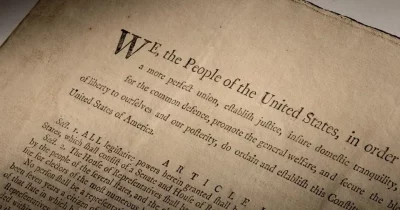
The US Constitution has been embedded on the Bitcoin blockchain, establishing the network as a permanent, censorship-resistant archive for historical documents. This development underscores Bitcoin's utility beyond financial transactions and may increase demand for block space as more significant records are inscribed on-chain.
The inscription of the US Constitution on Bitcoin's blockchain represents a symbolic yet practical use case that extends the network's value proposition beyond peer-to-peer payments. By leveraging Bitcoin's immutability and decentralized architecture, the document becomes permanently accessible and resistant to censorship or institutional control—a compelling feature for historically significant records. This development aligns with the broader trend of utilizing blockchain technology for digital preservation, where the permanence and transparency of distributed ledgers address concerns about document tampering or loss.
The context for this move reflects growing recognition that Bitcoin's consensus mechanism and distributed network make it an ideal medium for archiving critical information. Previous attempts to store data on Bitcoin, including through Ordinals and Inscriptions, have demonstrated technical feasibility and sparked debate about block space utilization. The US Constitution's placement on Bitcoin follows similar initiatives where cultural and historical artifacts have been inscribed, signaling an emerging category of blockchain use cases beyond financial applications.
For the cryptocurrency market, this development carries nuanced implications. Increased inscription activity drives demand for block space, potentially supporting network fees and incentivizing miners to maintain security through transaction revenue rather than block subsidies alone. However, network participants remain divided on whether non-financial data storage represents optimal use of Bitcoin's constrained resources. Investors should monitor whether cultural archiving becomes a sustained trend that generates meaningful transaction volume, as sporadic high-profile inscriptions create less predictable demand than sustained adoption patterns.
Looking ahead, the trajectory of historical document inscription on Bitcoin will depend on regulatory clarity surrounding digital preservation and whether institutions adopt blockchain archiving at scale. Enhanced competition for block space could emerge if this practice expands significantly.
- →The US Constitution is now permanently stored on Bitcoin, leveraging the network's censorship-resistant properties for historical document preservation.
- →Bitcoin's blockchain is increasingly positioned as a digital archive beyond financial transactions, expanding its perceived utility.
- →Inscription activity on Bitcoin generates demand for block space, potentially supporting network fees and miner revenue streams.
- →The use case reflects broader institutional and cultural interest in blockchain-based preservation of significant historical records.
- →Network participants remain divided on whether data storage represents an optimal use of Bitcoin's constrained block space resources.