
US defense vulnerabilities reduce likelihood of Iran invasion: WSJ
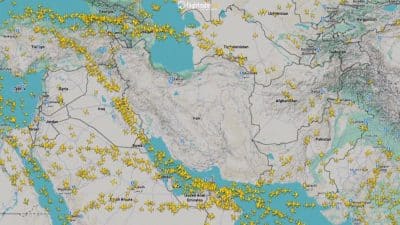
According to WSJ reporting, US defense vulnerabilities may constrain military intervention options against Iran, potentially redirecting geopolitical strategy toward diplomatic engagement and alliance-building. This shift could reshape regional power dynamics and have indirect implications for global market stability and energy security.
The Wall Street Journal's assessment of US defense vulnerabilities presents a significant geopolitical reality check that extends beyond military policy into broader market considerations. Reduced likelihood of direct military intervention against Iran stems from institutional constraints, resource allocation challenges, and operational limitations within US defense infrastructure. This recognition fundamentally alters the calculus for regional actors and international powers planning their own strategic responses.
Historically, geopolitical tension in the Middle East has driven energy price volatility and cryptocurrency adoption as hedging instruments. The shift toward diplomatic solutions rather than military confrontation reduces near-term escalation risk, which typically benefits risk assets and reduces safe-haven demand for alternative currencies. However, the underlying instability remains unresolved, creating persistent uncertainty that markets must navigate.
For cryptocurrency investors and digital asset markets, this development carries mixed implications. Reduced military escalation risk removes a significant tail-risk premium that has historically supported Bitcoin and other cryptocurrencies as geopolitical hedges. Conversely, the emphasis on alliances and diplomacy suggests a more stable macroeconomic environment, potentially reducing volatility across asset classes including crypto.
The medium-term outlook depends on whether diplomatic initiatives prove effective at de-escalation or whether competing interests in the region create new friction points. Investors should monitor statements from key regional players and US policy officials for signals about commitment to diplomatic channels versus containment strategies.
- →US defense vulnerabilities may push Middle East policy toward diplomacy rather than military intervention against Iran
- →Reduced escalation risk removes a significant geopolitical tail-risk premium that supports cryptocurrency valuations
- →Energy market stability improves under diplomatic scenarios, affecting macroeconomic conditions for broader asset classes
- →Regional powers will adjust strategic calculations based on reduced US military intervention capability
- →Persistent underlying tensions remain despite reduced invasion likelihood, maintaining geopolitical uncertainty