
US redirects 49 vessels to enforce Iran blockade amid stalled talks
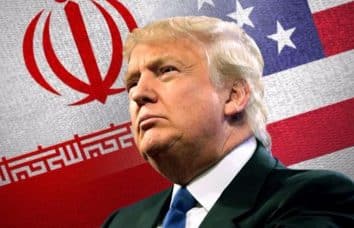
The US has redirected 49 vessels to enforce a blockade against Iran amid stalled diplomatic negotiations. This escalation intensifies economic pressure on Iran and could disrupt global oil markets while complicating international relations.
The redirection of 49 US vessels represents a significant escalation in enforcement efforts against Iran, signaling a hardening stance as diplomatic channels remain frozen. This military posturing typically accompanies periods of heightened geopolitical tension when traditional negotiation pathways have broken down. The blockade targets Iran's ability to export oil and access international markets, creating substantial economic pressure on the regime.
Historically, US-Iran tensions have driven oil price volatility and created safe-haven demand for alternative assets. Previous sanctions cycles demonstrated how supply-side constraints from Iranian oil exports ripple through global energy markets, affecting inflation expectations and central bank policy decisions. The current blockade enforcement occurs against a backdrop of broader Middle East tensions and failed nuclear agreement renegotiations, establishing a pattern of escalating restrictions rather than diplomatic resolution.
For cryptocurrency markets, geopolitical friction of this magnitude typically triggers flight-to-safety dynamics, benefiting assets perceived as censorship-resistant and decentralized. Oil market disruptions increase inflation concerns, which historically correlate with increased cryptocurrency adoption in sanctioned economies seeking alternative value storage. Investors should monitor crude oil futures for supply disruption signals, as energy price spikes often precede broader market volatility.
The coming weeks will reveal whether this enforcement escalation prompts renewed diplomatic engagement or further entrenchment. Markets typically reprice around geopolitical milestones, so any shifts in blockade enforcement or negotiation announcements could trigger sector-wide volatility. Energy-focused trading desks and macro strategists monitoring Iran-related developments should watch for official statements regarding blockade scope and duration.
- →49 US vessels have been redirected to enforce Iran blockade as nuclear negotiations remain stalled
- →Economic sanctions enforcement typically disrupts global oil supplies and raises energy prices
- →Geopolitical escalation historically increases cryptocurrency adoption in sanctioned regions
- →Oil market volatility from supply disruptions can trigger broader macro market repricing
- →Cryptocurrency investors should monitor energy markets as proxy indicators for geopolitical risk