
US destroyers intercept Iranian tankers in Strait of Hormuz
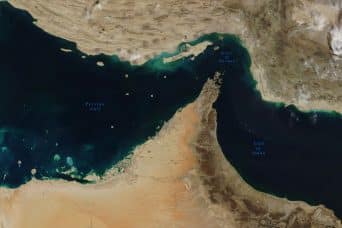
US naval destroyers intercepted Iranian tankers in the Strait of Hormuz, escalating geopolitical tensions in a region critical to global energy markets. The incident underscores strategic vulnerabilities in one of the world's most important shipping chokepoints, with implications for market stability and commodity pricing.
The interception of Iranian tankers by US destroyers in the Strait of Hormuz represents a tangible escalation in US-Iran tensions and signals heightened military posturing in a region that handles roughly one-third of global seaborne oil trade. This confrontation exemplifies the persistent brinkmanship between the two nations, rooted in decades of adversarial relations, US sanctions on Iran, and competing regional interests. The Strait of Hormuz has long been a flashpoint for geopolitical risk, with previous incidents ranging from mine-laying to drone strikes triggering immediate market reactions.
For cryptocurrency and digital asset markets, geopolitical instability creates complex dynamics. Increased tensions traditionally drive safe-haven demand, historically boosting assets like Bitcoin as investors seek alternatives to traditional markets and currencies vulnerable to sanctions or capital controls. However, broader economic uncertainty can also suppress risk appetite, dampening crypto valuations. Oil price volatility stemming from supply-chain disruptions in the Strait compounds inflation concerns, creating macroeconomic headwinds that affect all asset classes, including digital assets.
The incident's market impact depends on escalation trajectory. If tensions remain contained, the effect on crypto markets may prove modest, as traders have grown accustomed to periodic Hormuz-related disruptions. However, sustained militarization or a direct conflict could trigger significant oil price spikes, inflationary pressures, and flight-to-safety flows that reshape crypto positioning. Investors should monitor statements from both US and Iranian officials, OPEC production responses, and traditional energy market reactions as primary indicators of downstream crypto market implications.
- →US-Iran military tensions in the Strait of Hormuz heighten geopolitical risk in a region controlling approximately one-third of global seaborne oil trade.
- →Geopolitical instability typically drives safe-haven demand for Bitcoin and other cryptocurrencies, though broader economic uncertainty can suppress crypto valuations.
- →Oil price volatility from supply disruptions creates inflationary pressures affecting macro markets and crypto sentiment.
- →The incident's crypto market impact depends on whether tensions escalate into sustained conflict or remain contained.
- →Investors should track official statements from US and Iranian officials and energy market responses as leading indicators of crypto market direction.