
US Central Command disables oil tanker M/T Settebello for violating Iran blockade
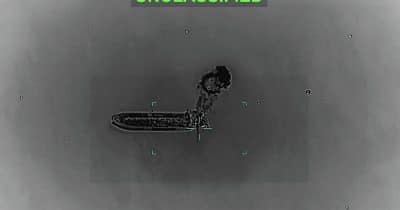
The US Central Command disabled the oil tanker M/T Settebello for violating sanctions on Iranian oil exports, escalating geopolitical tensions with India and raising global shipping costs. The incident reflects ongoing enforcement challenges in maintaining the blockade against Iran's oil sector.
The disabling of M/T Settebello represents a direct enforcement action against sanctions evasion in global energy markets. US Central Command's intervention signals heightened scrutiny of maritime commerce in the Persian Gulf region, where oil tankers frequently attempt to circumvent Iranian sanctions through flag changes, vessel transponder manipulation, and routing through international waters. This action carries significant implications for global energy security and shipping logistics.
The geopolitical context involves persistent US efforts to restrict Iran's oil revenues through sanctions, a policy maintained across administrations. India's involvement creates diplomatic friction, as Indian entities and shipping companies have historically facilitated Iranian oil trade despite US pressure. The blockade enforcement directly impacts India-US relations at a time when both nations are navigating competing strategic interests in the Indo-Pacific region.
For global markets, such enforcement actions increase shipping insurance premiums, extend transit times, and create price volatility in crude oil markets. Traders face elevated operational costs when vessels risk seizure or disabling. The incident demonstrates that shipping routes perceived as cost-effective alternatives to established trade corridors carry substantial geopolitical risk. Investors monitoring energy commodities and shipping logistics stocks should expect continued volatility as enforcement patterns remain unpredictable.
Looking forward, the frequency and aggressiveness of such enforcement actions will depend on US policy continuity and international cooperation levels. Additional disabled vessels would signal escalated blockade enforcement, potentially disrupting energy markets further and prompting alternative shipping arrangements that circumvent traditional routes entirely.
- →US Central Command's enforcement action targets maritime sanctions evasion in Iranian oil trade
- →The incident escalates US-India tensions over competing geopolitical interests and energy policy
- →Global shipping costs and insurance premiums face upward pressure from increased enforcement risks
- →Energy markets experience volatility as alternative trade routes face heightened scrutiny
- →Future blockade enforcement intensity will shape energy supply chains and maritime commerce patterns