
US forces disable oil tanker M/T Marivex in Gulf of Oman amid tensions
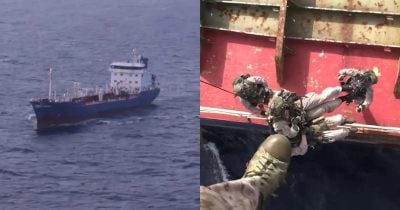
US forces disabled the oil tanker M/T Marivex in the Gulf of Oman as regional military tensions escalate. The incident threatens global oil supply chains and shipping stability, with potential ripple effects on energy markets and broader economic stability.
The disabling of M/T Marivex represents a direct military intervention in critical global shipping infrastructure, signaling intensified geopolitical friction in one of the world's most strategically important maritime chokepoints. The Gulf of Oman handles approximately one-third of global seaborne petroleum trade, making any disruption to shipping operations a matter of international concern. This action underscores the vulnerability of energy infrastructure to military action and geopolitical brinkmanship.
Regional tensions in the Persian Gulf have escalated over recent years due to competing strategic interests among major powers. The direct targeting of commercial shipping infrastructure marks a concerning escalation from previous incidents and suggests a willingness to disrupt economic activity as leverage in broader disputes. This pattern of interference with commercial vessels increases insurance costs, forces route rerouting, and creates uncertainty in energy logistics.
For financial markets, oil supply disruptions typically drive price volatility and inflation concerns. Energy price spikes directly impact cryptocurrency markets, particularly affecting on-chain activity and trader sentiment. Higher oil prices increase operational costs for data centers and blockchain infrastructure, while energy market uncertainty often correlates with capital flows into alternative assets like Bitcoin during times of macro instability.
Market participants should monitor shipping reports and geopolitical developments closely. Escalation could trigger oil price spikes exceeding $100 per barrel, historically associated with crypto volatility and safe-haven demand. Future incidents involving critical infrastructure could prompt broader sanctions, restricting global trade and affecting crypto market liquidity through correspondent banking constraints.
- →US military action against M/T Marivex demonstrates direct intervention in global oil shipping, escalating Persian Gulf tensions.
- →Gulf of Oman disruptions threaten one-third of global seaborne petroleum trade, creating supply chain risk.
- →Oil price volatility from geopolitical events correlates with cryptocurrency market movements and investor risk sentiment.
- →Increased shipping insurance costs and route uncertainty will raise energy prices and inflation expectations.
- →Market participants should monitor escalation risk as further incidents could trigger significant commodity and crypto volatility.