
US downs Iranian drones threatening maritime traffic in Strait of Hormuz
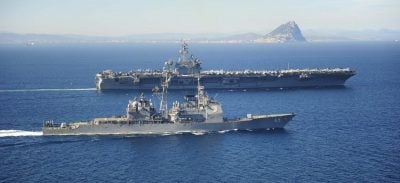
The U.S. military downed Iranian drones in the Strait of Hormuz amid escalating tensions between the two nations. This incident threatens global oil markets and maritime operations, with potential implications for regional stability and energy security.
The downing of Iranian drones in the Strait of Hormuz represents a direct military escalation between the United States and Iran, two powers with competing interests in one of the world's most critical chokepoints for energy transport. Approximately 21% of global petroleum passes through this waterway daily, making any disruption a significant concern for energy markets worldwide. This incident reflects decades of tension rooted in geopolitical rivalries, sanctions regimes, and competing regional influence, particularly following the U.S. withdrawal from the Iran nuclear deal in 2018.
For cryptocurrency and digital asset markets, geopolitical tensions affecting oil supply carry indirect but measurable consequences. Oil price volatility historically correlates with broader macroeconomic uncertainty, which influences risk appetite across asset classes including crypto. Energy price shocks can trigger inflation concerns, affecting Federal Reserve policy and traditional financial conditions that investors use as benchmarks for crypto valuations.
The Strait of Hormuz remains a persistent flashpoint where military confrontations can rapidly escalate, potentially disrupting shipping lanes and raising energy costs globally. Higher oil prices could exacerbate inflation concerns, pressuring central banks toward tighter monetary policy—traditionally bearish for growth-oriented assets like cryptocurrencies. Maritime insurance costs and shipping delays would ripple through global supply chains, affecting economic growth expectations.
Investors should monitor escalation signals from both nations and track crude oil futures as a leading indicator of market stress. Any sustained disruption to strait traffic would likely trigger flight-to-safety dynamics, potentially benefiting Bitcoin as a hedge asset while pressuring risk assets more broadly.
- →U.S. military downed Iranian drones threatening shipping in the Strait of Hormuz, escalating direct military tensions.
- →The strait handles approximately 21% of global petroleum trade, making disruptions consequential for worldwide energy markets.
- →Geopolitical tensions affecting oil supply create indirect pressure on cryptocurrency markets through macroeconomic channels.
- →Higher energy costs could reinforce inflation concerns and tighter monetary policy, pressuring growth-oriented digital assets.
- →Investors should monitor U.S.-Iran escalation signals and crude oil prices as leading indicators of broader market stress.