
US plans to release strategic energy reserves, boost LNG sales to ASEAN
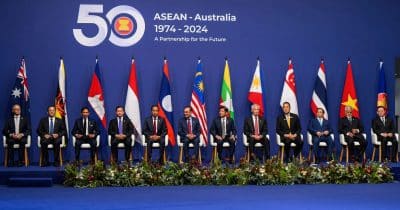
The US plans to release strategic petroleum reserves and increase liquefied natural gas (LNG) exports to Southeast Asian nations. These actions aim to stabilize near-term oil prices but may create longer-term shifts in global energy markets and regional energy independence dynamics.
The United States' decision to tap strategic energy reserves while simultaneously expanding LNG sales to ASEAN represents a dual-track energy strategy balancing immediate market stabilization with long-term geopolitical positioning. By releasing reserves, the administration addresses near-term crude oil price pressures that ripple through global markets and inflation metrics. Simultaneously, boosting LNG exports to Southeast Asia reflects efforts to strengthen energy partnerships with a strategically critical region amid broader competitive dynamics with other energy exporters.
This initiative builds on decades of US energy diplomacy, particularly accelerated after recent global supply disruptions and European energy crises. The strategy signals confidence in US domestic energy production capacity while positioning American LNG as a reliable alternative to Russian and other suppliers. For ASEAN nations, securing diversified energy sources enhances regional autonomy and reduces dependency on single suppliers, a significant consideration for emerging economies managing infrastructure development and energy security simultaneously.
Market participants should monitor how reserve releases affect crude inventory levels and price volatility in coming months. Energy traders will watch LNG contract negotiations and shipping capacity constraints that determine actual export volumes. The geopolitical dimension matters substantially—these moves strengthen US-ASEAN economic ties while implicitly competing for market share against other major exporters in a region increasingly central to global economic growth.
Longer-term implications include potential shifts in global LNG pricing structures, infrastructure investments in ASEAN ports, and evolving energy security architectures in the Indo-Pacific. Investors in energy infrastructure, particularly LNG terminals and pipeline projects across Southeast Asia, should track these policy developments closely.
- →US strategic petroleum reserve releases target short-term oil price stabilization amid broader inflation concerns
- →Expanded LNG sales to ASEAN strengthen US energy diplomacy and geopolitical influence in Indo-Pacific region
- →Reserve depletion may reduce future US strategic flexibility if global energy disruptions recur
- →ASEAN nations gain energy diversification benefits but face infrastructure investment requirements for LNG import capacity
- →Long-term global LNG market dynamics will shift based on sustained US export volumes and pricing competitiveness