
US evacuates 22 crew from Iranian ship amid Hormuz blockade tensions
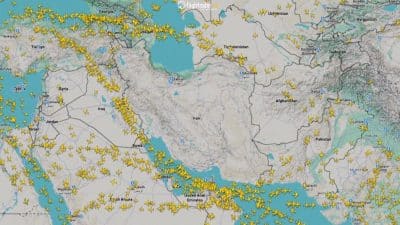
The US evacuated 22 crew members from an Iranian ship, signaling a potential de-escalation in tensions around the Strait of Hormuz. The humanitarian action suggests possible relief in regional geopolitical friction that could influence broader diplomatic and economic outcomes affecting global markets.
The US evacuation of Iranian crew members represents a humanitarian intervention amid heightened regional tensions in the Strait of Hormuz, a critical global shipping chokepoint. This action demonstrates diplomatic pragmatism, suggesting both nations recognize the costs of escalation and may seek pathways toward reduced confrontation. The Strait of Hormuz handles approximately 20-30% of global maritime petroleum trade, making regional stability directly relevant to energy markets and macroeconomic conditions that influence asset valuations across sectors.
Historically, Hormuz tensions correlate with oil price volatility, which ripples through cryptocurrency and traditional financial markets. Previous blockade threats and sanctions episodes created significant market disruption. The evacuation signals potential de-escalation, potentially reducing geopolitical risk premiums embedded in energy prices and dollar strength. When regional tensions ease, risk-off flows that traditionally favor safe-haven assets like the dollar can reverse, potentially benefiting risk assets including cryptocurrencies.
For blockchain and crypto markets, regional stability affects global economic sentiment and central bank policy trajectories. De-escalation reduces stagflation fears and potential sanctions-related disruptions to international trade and financial systems. Crypto investors monitor geopolitical risk as it influences both macro monetary policy and regulatory certainty. Calmer regional conditions typically correlate with improved risk appetite and more predictable policy environments.
Continued monitoring of US-Iran diplomatic developments is essential, as backsliding could quickly reverse sentiment. The next critical signals include further humanitarian gestures, sanctions policy statements, or military posturing that would indicate whether this evacuation represents genuine de-escalation or tactical positioning.
- →US evacuation of Iranian crew indicates potential de-escalation in Hormuz tensions affecting global energy and financial markets
- →Strait of Hormuz stability directly influences oil prices, dollar strength, and macroeconomic conditions affecting crypto valuations
- →Reduced geopolitical risk premiums typically correlate with improved risk appetite and cryptocurrency performance
- →Regional diplomatic progress could influence Federal Reserve policy timing and global regulatory certainty
- →Future US-Iran developments and military posturing remain critical indicators to watch for sentiment reversal