
US military to board Iran-linked ships globally, expanding naval blockade
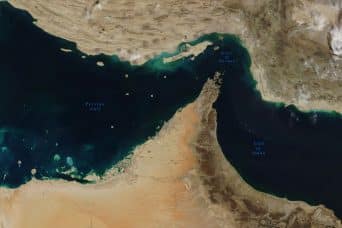
The US military is expanding naval operations to board Iran-linked vessels globally, intensifying its maritime blockade strategy. This escalation threatens to disrupt international shipping routes, elevate geopolitical tensions, and challenge established trade regulations, with ripple effects across global commerce and asset markets.
The US military's decision to expand boarding operations against Iran-linked ships represents a significant escalation in maritime enforcement strategy. This move extends beyond regional containment, targeting vessels globally and signaling a more aggressive approach to enforcing sanctions and blocking Iranian commerce. The action reflects heightened US-Iran tensions and demonstrates Washington's willingness to exercise naval dominance to achieve foreign policy objectives.
Historically, US naval blockades have served as tools of economic pressure, from Cold War embargoes to modern sanctions regimes. This expansion follows years of escalating Iran tensions, including nuclear deal withdrawal, drone incidents, and regional proxy conflicts. The global scope suggests coordination with international partners and signals a sustained commitment to restricting Iranian economic activity worldwide.
For markets, expanded naval operations create shipping cost uncertainty and potential supply chain disruptions. Insurance premiums for vessels transiting sensitive waters typically rise, while shipping companies may reroute cargo at higher costs. Cryptocurrency and digital asset markets could experience volatility as global trade friction increases, particularly affecting oil prices and energy-linked sectors. Risk-averse investors may reallocate toward safe-haven assets, including Bitcoin and stablecoins, as geopolitical uncertainty rises.
Looking ahead, monitor escalation patterns in US-Iran military interactions, potential responses from Iranian or allied forces, and impact on global shipping indices. Watch for commodity price movements, particularly crude oil, as shipping disruptions could affect energy supply. Cryptocurrency markets should be observed for haven-asset inflows during periods of heightened geopolitical tension, as traders typically flee risky assets during international crises.
- →US military is expanding global naval operations to board Iran-linked ships, intensifying maritime enforcement beyond regional limits.
- →Expanded blockade threatens to disrupt international shipping, increase logistics costs, and strain global trade infrastructure.
- →Geopolitical escalation creates safe-haven demand for cryptocurrencies and precious metals as investors hedge rising international tensions.
- →Shipping insurance premiums and rerouting costs will likely increase, passing expenses to consumers and affecting supply chains.
- →Oil prices and energy markets remain key indicators to watch for spillover effects from maritime disruptions.