
US home foreclosures rise 26% year-over-year in Q1 2026, highest level in six years
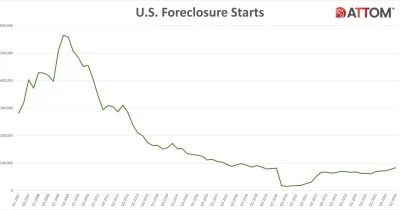
US home foreclosures surged 26% year-over-year in Q1 2026, reaching the highest level in six years and signaling mounting financial stress among homeowners. This trend threatens housing market stability while potentially creating investment opportunities in distressed properties.
The 26% year-over-year increase in foreclosures represents a significant deterioration in household financial health across the United States. This metric serves as a leading indicator of broader economic distress, reflecting rising mortgage delinquencies and the inability of homeowners to service debt amid potentially elevated interest rates or economic headwinds. The Q1 2026 figures mark the worst quarter in six years, suggesting a reversal of the post-pandemic recovery that characterized much of the early 2020s housing market.
Several factors likely contributed to this surge. Extended mortgage rates, stagnant wage growth relative to housing costs, and potential recession concerns may have compressed household budgets beyond sustainability. Additionally, the expiration of pandemic-era forbearance programs and accumulated debt from other sectors could have pushed vulnerable borrowers into default. These conditions echo structural issues that preceded the 2008 financial crisis, though current circumstances differ in important ways given stricter lending standards implemented post-crisis.
For investors, rising foreclosures create tactical opportunities in real estate acquisition at discounted valuations. However, this environment also signals reduced consumer purchasing power and weakened aggregate demand, which typically pressures equity markets and may increase volatility in growth-sensitive asset classes. The housing market's health directly influences broader economic sentiment and credit conditions.
Market participants should monitor whether this trend accelerates or stabilizes in subsequent quarters. A sustained acceleration could trigger broader credit stress, affecting financial institutions' lending capacity and potentially influencing monetary policy responses. The foreclosure spike serves as an early warning system for macroeconomic deterioration beyond housing itself.
- →Foreclosures hit a six-year high in Q1 2026, increasing 26% year-over-year and indicating severe household financial stress.
- →Rising defaults suggest potential pressure on lenders and financial institutions holding mortgage exposure.
- →Distressed property sales may create short-term investment opportunities despite broader economic headwinds.
- →Housing market deterioration typically correlates with weakened consumer demand and reduced GDP growth.
- →Sustained foreclosure increases could trigger policy interventions or credit market tightening.