
US redirects 48 vessels to enforce Hormuz blockade amid ongoing operation
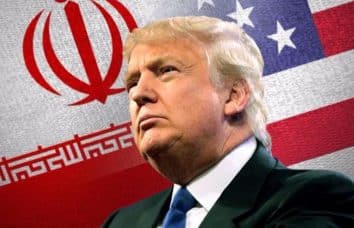
The US has redirected 48 vessels to enforce a blockade in the Strait of Hormuz, a critical chokepoint for global energy supplies. This military escalation reflects intensifying geopolitical tensions in the Middle East and carries significant implications for market stability and cryptocurrency volatility.
The redeployment of 48 US naval vessels to enforce Hormuz blockade operations represents a substantial military commitment to regional security, signaling sustained tensions in one of the world's most strategically important waterways. The Strait of Hormuz channels approximately 20-30% of global oil exports, making it a critical artery for energy markets and broader economic stability. This enforcement action responds to ongoing regional instability and signals determination to maintain freedom of navigation against potential disruptions.
Historically, Hormuz tensions have triggered sharp market reactions. Previous incidents—including the 2019 tanker attacks and 2020 Soleimani tensions—produced immediate crude oil price spikes and cryptocurrency volatility as investors flee traditional assets for perceived safe havens. The current sustained operation indicates policymakers view the threat as persistent rather than transitory, extending the duration of uncertainty rather than providing near-term resolution.
For cryptocurrency and broader financial markets, prolonged geopolitical friction creates a challenging environment. Elevated crude prices increase inflation concerns, potentially affecting Federal Reserve policy and interest rates—factors that directly influence crypto valuations and investor risk appetite. Institutional investors typically reduce exposure to volatile assets during geopolitical uncertainty, creating downward pressure on crypto markets. Conversely, some market participants view crypto as a hedge against geopolitical instability and currency devaluation.
The sustained blockade enforcement suggests this tension remains unresolved in diplomatic channels. Market participants should monitor crude oil price movements as a leading indicator of escalation risk, with particular attention to any disruptions to actual shipping traffic. Extended military operations without diplomatic progress could warrant defensive positioning in crypto portfolios.
- →US redirects 48 vessels to Hormuz, indicating sustained commitment to preventing energy supply disruptions
- →Hormuz blockade tensions historically trigger crude oil spikes and cryptocurrency market volatility
- →Prolonged geopolitical uncertainty increases inflation concerns, affecting Fed policy and asset valuations
- →Energy price escalation typically reduces investor risk appetite for volatile assets like crypto
- →Monitoring crude oil prices and shipping traffic provides early warning signals for market impact