
US plans to guide ships through Hormuz, Brent oil drops 2.4%
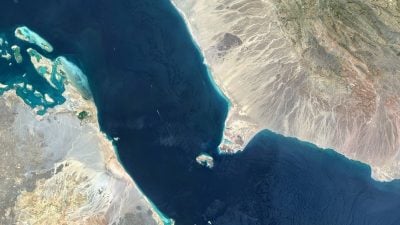
The US is implementing a naval guidance initiative in the Strait of Hormuz to secure maritime shipping lanes, reducing geopolitical tensions and supply disruption concerns. This strategic move has prompted a 2.4% decline in Brent crude oil prices, indicating market confidence in stabilized energy supplies.
The US military's decision to guide commercial vessels through the Strait of Hormuz addresses a critical chokepoint that handles approximately 20% of global oil trade. This geopolitical intervention directly impacts energy markets by reducing the risk premium typically embedded in oil prices when regional tensions escalate. The 2.4% drop in Brent crude reflects immediate market relief from decreased uncertainty surrounding supply continuity through this vital shipping corridor.
Historically, the Strait of Hormuz has been a flashpoint for regional instability, with tensions between Iran and Western powers creating recurring threats to maritime security. Previous incidents—including tanker attacks and threatened blockades—have triggered sharp oil price spikes that ripple through global energy markets and inflation expectations. The US commitment to naval escort operations signals a structural approach to deterring disruptions, moving beyond reactive crisis management.
For cryptocurrency and broader financial markets, lower oil prices reduce inflationary pressures that have historically supported commodity-linked assets and crypto volatility. Energy price stability typically correlates with reduced macroeconomic uncertainty, potentially decreasing safe-haven demand for Bitcoin and other defensive assets. Conversely, reduced geopolitical risk premium diminishes one of the tactical hedging arguments for holding digital currencies.
Market participants should monitor whether this US initiative proves durable and effective in maintaining sustained security through the region. Persistent success could anchor lower oil price expectations, supporting traditional risk assets over safe-haven alternatives. Conversely, any incidents demonstrating the initiative's limitations would likely trigger rapid reversal of today's price action.
- →US naval guidance in Hormuz reduces maritime disruption risks, causing Brent crude to drop 2.4% immediately
- →The Strait of Hormuz handles 20% of global oil trade, making security interventions economically significant
- →Lower energy prices reduce inflation expectations, potentially decreasing crypto's safe-haven appeal
- →Geopolitical risk premium embedded in oil prices faces structural headwinds from this deterrent strategy
- →Sustained success requires consistent US commitment; any security failures would trigger sharp market reversals