
US inflation in May, highest since 2023 amid Iran conflict
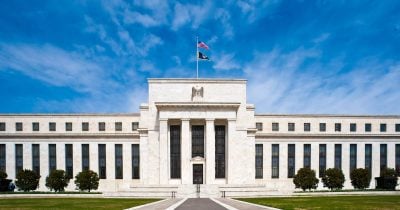
US inflation reached its highest level since 2023 in May, potentially triggered by geopolitical tensions with Iran. The inflation surge may prompt the Federal Reserve to reassess interest rate policy, creating uncertainty for economic growth and market volatility across traditional and crypto assets.
The May inflation report marks a significant inflection point in US monetary policy trajectory. Rising price pressures, particularly amid geopolitical uncertainty surrounding Iran tensions, suggest inflationary forces remain resilient despite the Federal Reserve's previous rate hiking cycle. This data point becomes critical as it challenges assumptions about disinflation trends and could force policymakers to reconsider rate cuts that markets had previously priced in for later this year.
Historically, inflation spikes driven by geopolitical events—particularly those affecting energy markets and supply chains—create persistent economic headwinds. Iran-related conflicts can directly impact oil prices and global supply chain stability, amplifying inflationary pressures beyond typical demand-driven increases. The combination of geopolitical risk premium and underlying price pressures suggests this may not be a transitory spike but rather a structural shift in the inflation environment.
For cryptocurrency and financial markets, this development carries multi-layered implications. Higher inflation typically strengthens the narrative for Bitcoin and crypto assets as inflation hedges, yet potential Fed rate adjustments could increase opportunity costs for holding non-yielding assets. Equities face headwinds from both lower earnings growth expectations and potentially higher discount rates. The volatility threshold increases significantly when geopolitical uncertainty combines with monetary policy uncertainty, creating choppier conditions for risk assets.
Market participants should monitor upcoming Fed communications for any signals regarding rate path adjustments. The next inflation data release and Fed meeting will be critical inflection points. Additionally, tracking developments in Iran tensions and their impact on energy markets will help gauge whether this inflation surge proves temporary or represents a more sustained shift in the macroeconomic backdrop.
- →May inflation reached its highest level since 2023, potentially signaling a reversal of disinflation trends
- →Geopolitical tensions with Iran may be amplifying inflationary pressures through energy and supply chain impacts
- →Federal Reserve faces renewed pressure to maintain elevated rates, contradicting market expectations for rate cuts
- →Crypto assets face conflicting catalysts: inflation narrative support versus higher opportunity costs from elevated rates
- →Market volatility likely to persist until Fed clarifies policy stance and geopolitical tensions stabilize