
US intercepts Iranian missiles, drones targeting Kuwait, Bahrain
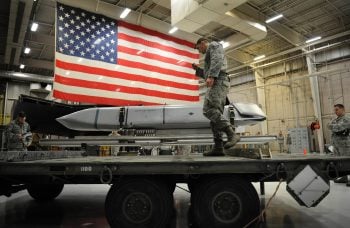
The U.S. military intercepted Iranian missiles and drones targeting Kuwait and Bahrain, marking an escalation in regional tensions. This geopolitical event carries implications for U.S.-Iran relations, military spending forecasts, and broader Middle East stability that could indirectly influence risk sentiment across financial markets including cryptocurrency.
The interception of Iranian projectiles represents a direct military engagement in the Middle East, signaling deteriorating diplomatic channels and rising regional volatility. This incident occurs within the broader context of ongoing U.S.-Iran tensions, involving nuclear negotiations, sanctions regimes, and proxy conflicts across the Gulf. The military response demonstrates active U.S. defensive posturing and suggests heightened alert levels for allied nations in the region.
Geopolitically, such escalations typically trigger capital reallocation toward safe-haven assets as investors reassess risk exposure. Historically, Middle East military incidents correlate with crude oil price volatility and broader macroeconomic uncertainty. Cryptocurrency markets, increasingly viewed as alternative safe-haven assets alongside gold, often experience price movements during geopolitical crises as traders hedge against currency devaluation and inflation concerns tied to military spending.
From a market perspective, defense contractors typically benefit from increased military procurement budgets following escalations, while energy markets price in supply-chain risks. For cryptocurrency investors, geopolitical tensions can drive demand for decentralized assets outside traditional banking systems, particularly in regions with unstable currencies or political risk. However, the relationship remains indirect—crypto markets respond more strongly to macroeconomic factors like Federal Reserve policy than to isolated regional conflicts.
Looking forward, key indicators include diplomatic developments, additional military incidents, potential sanctions expansion, and crude oil price trajectories. Investors should monitor how this escalation influences U.S. policy toward Iran and whether it catalyzes broader Middle East instability, as sustained regional conflict could reshape energy markets and risk appetite globally.
- →U.S. intercepted Iranian missiles and drones targeting Gulf allies, indicating escalating military tensions
- →Middle East instability typically triggers safe-haven asset demand, potentially benefiting alternative assets like cryptocurrency
- →Geopolitical escalation raises crude oil price uncertainty and energy market volatility
- →Indirect market impact depends on whether this signals sustained conflict or temporary tactical engagement
- →Investors should monitor U.S.-Iran diplomatic developments and broader regional stability indicators