
US-Iran agreement reshapes Middle East dynamics, raises concerns in Israel and Gulf states
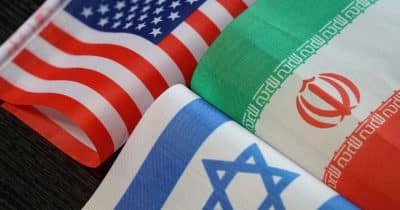
A US-Iran agreement is reshaping Middle East geopolitical dynamics, creating security concerns for Israel and Gulf states. The shift in regional power balance carries implications for global stability and could indirectly affect cryptocurrency markets through oil price volatility and sanctions-related capital flows.
The reported US-Iran agreement marks a significant recalibration of Middle East geopolitics, addressing longstanding tensions between Washington and Tehran. Such diplomatic breakthroughs typically reduce regional uncertainty but can trigger realignment among traditional US allies. Israel and Gulf Cooperation Council members have historically relied on US security guarantees against Iranian influence, making agreement terms critical to their strategic posture.
Regional power shifts in the Middle East historically correlate with commodity price movements and cross-border capital flows. Oil markets respond to geopolitical risk premiums—agreements reducing tensions typically lower crude prices, which can strengthen the US dollar and create headwinds for risk assets including cryptocurrencies. Conversely, improved stability might reduce safe-haven demand for volatile assets.
For cryptocurrency markets specifically, the impact operates through multiple channels. Sanctions relief on Iran could enable greater cryptocurrency adoption in the region as an alternative to traditional banking systems, particularly if US financial sanctions are relaxed. Additionally, reduced geopolitical risk premiums in energy markets could shift capital allocation patterns globally, potentially affecting crypto market liquidity and sentiment.
Crypto investors should monitor how the agreement evolves regarding sanctions implementation and whether Iranian entities gain access to global financial rails. Changes to oil price trajectories warrant attention given crude's inverse correlation with risk asset performance during macro volatility episodes. The agreement's durability and enforcement mechanisms will determine whether regional stability genuinely translates to reduced crypto market volatility or merely represents a temporary geopolitical pause.
- →US-Iran agreement reduces immediate Middle East tension but creates strategic uncertainty for Israel and Gulf allies.
- →Geopolitical stability typically reduces oil risk premiums, strengthening the dollar and potentially pressuring crypto valuations.
- →Potential sanctions relief could increase cryptocurrency adoption in Iran as an alternative financial system.
- →Crypto investors should monitor crude oil price movements and US dollar strength as indirect agreement impact indicators.
- →Agreement durability depends on enforcement mechanisms and will determine sustained regional stability effects on markets.