
US military completes airstrikes on Iran after helicopter crash off Oman
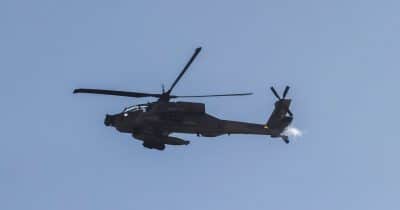
The US military conducted airstrikes on Iran following a helicopter crash off Oman, escalating geopolitical tensions between the two nations. This heightened instability is driving increased cryptocurrency adoption as investors seek alternative assets to hedge against geopolitical and macroeconomic uncertainty.
The US-Iran military escalation represents a significant geopolitical flashpoint with far-reaching implications for global markets. The airstrike campaign, triggered by the helicopter incident, signals a dangerous deterioration in bilateral relations and raises the specter of broader regional conflict. Historically, such confrontations have preceded periods of market volatility as investors reassess risk exposure across traditional asset classes.
Geopolitical crises of this magnitude typically trigger capital flight from conventional markets into alternative stores of value. Cryptocurrency markets, particularly Bitcoin and stablecoins, have increasingly served this hedging function during periods of political instability and currency devaluation concerns. The relationship between geopolitical tension and crypto adoption reflects investor demand for assets perceived as uncorrelated to traditional geopolitical risk and independent of any single nation's monetary policy.
This escalation compounds existing macroeconomic pressures, including inflation concerns and currency debasement in affected regions. Investors in countries exposed to sanctions or military conflict have historically gravitated toward decentralized cryptocurrencies as capital controls and traditional banking channels face disruption. The incident reinforces broader narratives around sovereignty, capital preservation, and financial independence that resonate with crypto communities.
Market participants should monitor several developments: potential oil price shocks affecting global inflation, broader US-Middle East policy responses that could trigger sanctions, and cryptocurrency inflows as a leading indicator of institutional and retail hedging activity. The sustainability of any crypto rally tied to geopolitical concerns depends on whether tensions escalate further or de-escalate through diplomatic channels.
- →US-Iran military tensions create geopolitical uncertainty that historically accelerates crypto adoption as a hedge asset
- →Escalating regional conflict threatens traditional market stability and currency valuations in affected regions
- →Cryptocurrency inflows may accelerate if sanctions or capital controls are implemented in response to the crisis
- →Oil price volatility from Middle East tensions compounds inflationary pressures driving alternative asset demand
- →Monitoring diplomatic developments and sanctions announcements is critical for assessing sustained crypto demand from this crisis