
US redirects 132 vessels, disables six in Iran blockade operations
The US has redirected 132 vessels and disabled six ships as part of escalating blockade operations against Iran, heightening regional military tensions and threatening global maritime commerce stability. This action reflects intensifying geopolitical conflict with potential ripple effects across international trade and energy markets.
The US blockade operations targeting Iran represent a significant escalation in Middle Eastern geopolitical tensions. By redirecting over 130 vessels and actively disabling six ships, US forces are asserting control over critical maritime chokepoints, fundamentally altering regional power dynamics and demonstrating willingness to enforce economic restrictions through direct military intervention.
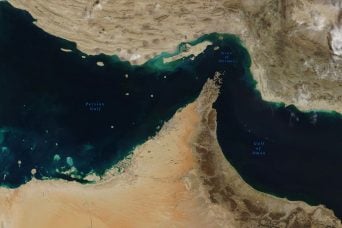
Iran's strategic position controlling the Strait of Hormuz makes it a critical flashpoint for global commerce. Historical context shows repeated cycles of tension in this region, but this scale of active vessel interdiction suggests a more aggressive enforcement posture than previous diplomatic pressure campaigns. The blockade tightens existing sanctions regimes and limits Iran's ability to export oil and conduct international trade.
For markets and investors, maritime disruption directly impacts global oil prices, shipping costs, and supply chain reliability. Energy traders face increased volatility as Iranian crude exports face severe constraints, potentially supporting oil prices despite broader demand concerns. Cryptocurrency markets remain sensitive to macroeconomic shocks and geopolitical risk, as conflict typically drives capital toward safe-haven assets and increases market uncertainty.
Shippers and logistics companies operating in the Persian Gulf region face elevated operational risks, insurance costs, and routing complications. The blockade's duration and enforcement intensity will determine whether this becomes a temporary escalation or sustained economic pressure campaign. Investors should monitor whether additional nations impose coordinated sanctions or whether regional partners escalate counter-measures, both of which could fundamentally reshape energy markets and global trade flows.
- →US has redirected 132 vessels and disabled six ships in Iran blockade operations, marking significant military escalation
- →Blockade directly threatens global maritime commerce and energy market stability through Strait of Hormuz control
- →Oil prices face upward pressure as Iranian crude exports face severe constraints from enforcement actions
- →Increased geopolitical risk typically drives cryptocurrency volatility and safe-haven asset demand
- →Shipping and logistics costs in the Persian Gulf region will likely increase due to elevated operational risks