
US redirects 111 vessels under Iran blockade, impacting Hormuz shipping traffic
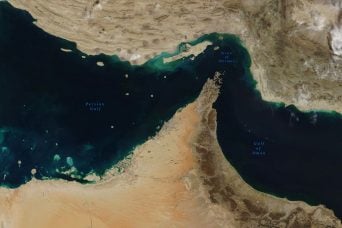
The US has redirected 111 vessels operating under an Iran blockade, disrupting shipping traffic through the Strait of Hormuz. This action threatens global trade stability and could amplify oil market volatility, with potential ripple effects across energy-dependent markets and cryptocurrency valuations tied to macroeconomic conditions.
The redirection of 111 vessels in the Hormuz Strait represents a significant escalation in geopolitical tensions affecting one of the world's most critical shipping chokepoints. Approximately 21% of global petroleum passes through this narrow waterway, making any disruption a matter of international economic consequence. The US blockade targeting Iran creates operational complexity for commercial shipping, forcing vessel rerouting and increasing transit times, which translates directly into higher shipping costs and energy prices.
This action stems from ongoing US-Iran tensions and sanctions enforcement mechanisms aimed at limiting Iranian oil exports and revenue. The blockade reflects broader strategic competition in the Middle East and demonstrates how geopolitical friction can weaponize maritime infrastructure. Historical precedent shows such disruptions typically precede oil price spikes, as markets price in supply uncertainty and logistical constraints.
For cryptocurrency and digital asset markets, the implications are material. Energy price inflation flows through to mining operations, particularly proof-of-work networks dependent on electricity costs. Bitcoin and Ethereum mining profitability contracts when energy prices rise. Additionally, macroeconomic stress from trade disruptions traditionally drives portfolio rebalancing, with investors rotating between risk assets. Elevated geopolitical risk premiums could increase volatility across crypto markets as investors seek hedges against commodity inflation.
Market participants should monitor Brent crude futures and shipping indices as leading indicators of economic impact. Extended disruption could trigger broader risk-off sentiment affecting risk assets including cryptocurrencies. The situation warrants close attention given the cascading effects of energy market shocks on both traditional and digital asset valuations.
- →US blockade redirects 111 vessels in Strait of Hormuz, disrupting 21% of global petroleum traffic
- →Vessel rerouting increases shipping costs and energy prices across global markets
- →Mining profitability for proof-of-work cryptocurrencies faces headwinds from rising electricity costs
- →Geopolitical risk premiums may increase cryptocurrency volatility as investors hedge portfolio exposure
- →Energy price spikes typically trigger macroeconomic stress and risk-asset portfolio rebalancing