
US and Iran nearing memorandum of understanding to extend ceasefire
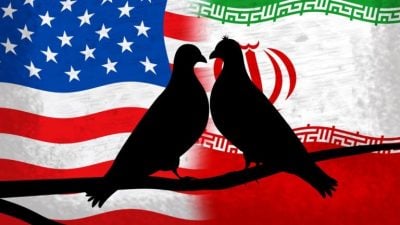
The US and Iran are reportedly approaching a memorandum of understanding to extend a ceasefire, which could reduce regional tensions and stabilize geopolitical dynamics. Such diplomatic progress typically eases market volatility and reduces safe-haven asset demand, with potential implications for global financial markets including cryptocurrency.
The reported progress toward a US-Iran ceasefire memorandum represents a significant de-escalation in Middle Eastern tensions that have periodically roiled global markets over the past two decades. A formal agreement would reduce the risk of direct military confrontation between two regional powers, lowering the geopolitical risk premium that typically inflates commodity prices and drives investors toward safe-haven assets like gold and stablecoins during periods of uncertainty.
Historically, Middle Eastern tensions have created outsized market impacts due to oil supply disruption fears and broader risk-off sentiment. Previous escalations between these nations triggered sharp moves in energy markets and cryptocurrency volatility as investors reassessed tail risks. A stabilized relationship could reverse this dynamic, reducing the urgency for portfolio hedges and potentially shifting capital from defensive positions.
For cryptocurrency markets specifically, de-escalation generally proves bearish for safe-haven narratives that support Bitcoin's store-of-value thesis during geopolitical crises. However, sustained diplomatic progress could support broader risk appetite, potentially benefiting growth-oriented crypto assets and reducing the fear premium embedded in pricing. Traditional markets would likely see energy prices decline and equity volatility contract, creating a more stable environment for institutional crypto adoption.
Investors should monitor whether this MOU translates into sustained diplomatic engagement or represents a temporary tactical pause. The durability of any agreement depends on compliance mechanisms and whether underlying regional disputes find resolution. Market implications will depend on whether investors view this as a structural shift in Middle Eastern stability or a cyclical reprieve.
- →US-Iran ceasefire progress reduces geopolitical risk premium that typically supports safe-haven assets
- →De-escalation in Middle East historically correlates with lower oil prices and reduced market volatility
- →Cryptocurrency safe-haven demand may decline if tensions sustainably improve
- →Sustained diplomatic progress could support institutional crypto adoption in more stable environment
- →Market impact depends on whether agreement proves durable or represents temporary tactical pause