
US and Iran reach tentative deal to extend ceasefire, begin nuclear talks
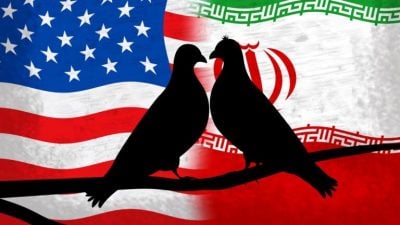
The US and Iran have reached a tentative agreement to extend their ceasefire and initiate nuclear negotiations, potentially stabilizing diplomatic relations between the two nations. This development could reduce geopolitical tensions and have ripple effects across global markets, including cryptocurrency and traditional financial assets sensitive to Middle East geopolitical risk.
A tentative ceasefire extension and nuclear dialogue framework between the US and Iran represents a significant shift in Middle East geopolitics. Such agreements typically emerge after periods of escalating tensions, suggesting both parties recognize mutual benefits in de-escalation over continued confrontation. This development matters because geopolitical stability directly influences risk appetite in global financial markets.
Historically, US-Iran tensions have spiked during periods of sanctions, military posturing, or nuclear program revelations. Previous agreements, such as the JCPOA (Joint Comprehensive Plan of Action), demonstrated how diplomatic breakthroughs can reshape energy markets, currency valuations, and safe-haven asset demand. The current tentative deal follows a pattern of diplomatic engagement that, if formalized, could reduce oil price volatility and decrease demand for defensive assets.
For cryptocurrency markets, geopolitical de-escalation typically reduces demand for bitcoin as a geopolitical hedge, potentially pressuring prices in the short term. However, stabilized Middle East relations often correlate with broader risk-on sentiment, benefiting higher-yielding assets and growth-oriented crypto projects. Investors should monitor whether this agreement actually holds and progresses to formal negotiations, as failed talks could rapidly reverse market positioning.
The path forward depends on implementation details and sustained diplomatic engagement. Key indicators include whether sanctions are lifted incrementally, how quickly negotiations advance on nuclear specifications, and whether regional proxy conflicts de-escalate simultaneously. Market participants should watch for official statements from both governments and IAEA involvement in verification processes.
- →US-Iran ceasefire extension reduces immediate geopolitical risk and could stabilize Middle East markets
- →De-escalation typically decreases demand for defensive crypto assets like bitcoin
- →Energy market stability from reduced Iran tensions could reshape commodity-correlated trading patterns
- →Formal nuclear agreement implementation remains uncertain and could reverse gains if negotiations fail
- →Investors should monitor sanctions policy changes and IAEA verification announcements for concrete signals