
US-Iran ceasefire extended indefinitely, halting war authorization countdown
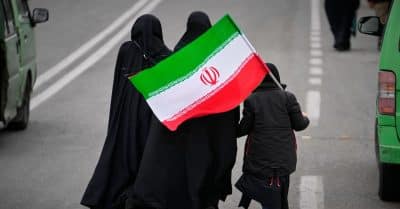
The US and Iran have extended their ceasefire indefinitely, halting previous war authorization countdowns and reducing immediate conflict risks in the region. This development may stabilize geopolitical tensions and shift regional power dynamics, with potential implications for global markets including energy prices and risk sentiment.
The indefinite extension of the US-Iran ceasefire represents a significant de-escalation in one of the most volatile geopolitical flashpoints affecting global markets. Previously, tensions between these nations had triggered countdown clocks toward potential military conflict, raising uncertainty across multiple asset classes. This ceasefire extension removes that immediate tail risk from market calculations, allowing investors to reassess regional stability without the threat of sudden military action.
Historically, US-Iran tensions have directly influenced oil price volatility and broader risk sentiment in cryptocurrency and equity markets. The region's strategic importance to global energy supplies means geopolitical uncertainty commands attention from institutional investors. Prior escalations had prompted defensive positioning and flight-to-safety behaviors that typically benefit gold, US treasuries, and sometimes crypto as a non-correlated asset. The ceasefire removes pressure from these traditional safe-haven flows.
For cryptocurrency markets specifically, extended geopolitical stability tends to reduce volatility premiums and support risk-on sentiment. When geopolitical risks ease, capital flows shift toward higher-yielding and riskier assets, potentially benefiting crypto markets that had been weighted down by uncertainty. Energy markets should see relief as well, with reduced risk premiums on crude oil potentially benefiting economies sensitive to energy costs.
Investors should monitor whether this ceasefire holds or faces renewed tensions. The sustainability of diplomatic progress depends on maintaining communication channels and avoiding escalatory incidents. Market participants will likely continue pricing in geopolitical risk premiums until demonstrated stability extends over months, not weeks.
- →Indefinite US-Iran ceasefire removes immediate military conflict risk from geopolitical calculations
- →De-escalation typically supports risk-on sentiment and reduces safe-haven asset demand
- →Energy markets may benefit from lower geopolitical risk premiums affecting crude oil prices
- →Cryptocurrency volatility could contract as uncertainty decreases, supporting potential capital flows to riskier assets
- →Market impact depends on ceasefire durability; sustained peace would further stabilize regional risk assets