
13 US troops killed, nearly 400 wounded in Iran conflict: CENTCOM
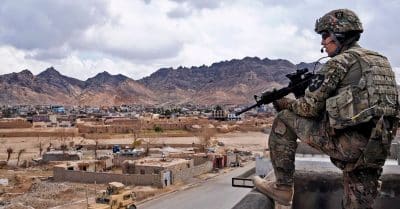
CENTCOM reports 13 US troops killed and nearly 400 wounded in an ongoing Iran conflict, signaling escalated military involvement that complicates diplomatic resolution efforts. The deepening conflict creates macroeconomic uncertainty affecting risk asset valuations, including cryptocurrency markets sensitive to geopolitical tensions and broader economic instability.
The reported casualties represent a significant escalation in US-Iran military tensions, moving beyond limited engagements to sustained conflict with substantial personnel losses. This development marks a critical inflection point in Middle East geopolitics, where previous military exchanges were largely contained through diplomatic pressure and strategic restraint. The scale of casualties—particularly the nearly 400 wounded—suggests prolonged operations rather than isolated incidents, indicating military commitment that extends beyond deterrence posturing.
Historically, US-Iran tensions follow cyclical patterns of proxy conflicts and direct confrontations, but the current trajectory shows intensification rather than de-escalation. Previous incidents saw markets stabilize quickly once diplomatic channels engaged; however, this conflict's deepening suggests those traditional resolution mechanisms may be failing. The military involvement complicates any negotiation pathway, as demonstrated resolve in combat operations hardens political positions on both sides.
Geopolitical uncertainty directly impacts cryptocurrency markets through multiple transmission channels. Risk-off sentiment typically drives capital toward traditional safe havens (US Treasuries, gold) while reducing appetite for volatile assets like crypto. Energy market disruptions from Middle East conflicts create inflation expectations that influence Federal Reserve policy and interest rate trajectories—critical variables determining crypto valuations. Additionally, potential sanctions escalation or supply chain disruptions could trigger broader economic slowdowns affecting adoption and institutional investment in digital assets.
Market participants should monitor several key indicators: diplomatic statement escalation, additional casualty reports, potential regional allies' involvement, and oil price reactions as proxies for conflict severity assessment. Extended conflict duration would likely pressure risk assets more severely than contained incidents.
- →13 US troops killed and nearly 400 wounded indicates sustained military engagement rather than isolated skirmishes
- →Deepening conflict complicates diplomatic resolution, potentially extending tensions and market uncertainty
- →Geopolitical risk-off sentiment typically flows away from volatile assets like cryptocurrency toward safe havens
- →Middle East conflicts create energy market uncertainty that influences inflation expectations and monetary policy
- →Market impact severity depends on conflict duration and potential for regional escalation involving additional parties