
Asian stocks slide and oil surges as US-Iran military strikes rattle global markets
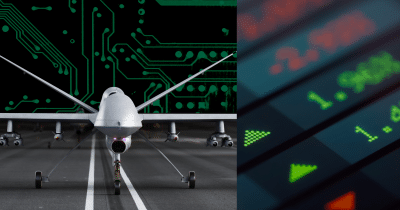
US-Iran military tensions have triggered a synchronized sell-off across Asian equities while oil prices surge, exposing how geopolitical crises ripple through interconnected global markets. The volatility underscores systemic risks posed by leveraged positions across traditional and digital asset classes.
Geopolitical escalation between the US and Iran represents a classic black swan event that forces risk reassessment across all asset classes simultaneously. When military strikes become imminent or occur, market participants abandon growth positions and rotate toward safe havens, creating synchronized declines in equities while commodities like oil spike due to supply disruption concerns. This dynamic reveals how traditional macroeconomic factors remain powerful drivers of market behavior, despite the rise of alternative assets.
The broader context shows that geopolitical tensions have become increasingly frequent as a market disruptor. Over the past decade, similar events—from North Korean nuclear tests to Middle East conflicts—have demonstrated that political risk cannot be hedged away through diversification alone. Leveraged traders face particular vulnerability during these episodes because margin calls cascade across correlated positions, forcing liquidations that accelerate downward pressure.
For cryptocurrency and digital asset investors, this event carries dual implications. First, risk-off sentiment typically pressures speculative assets like Bitcoin and altcoins that trade on momentum and leverage. Second, it validates the case for uncorrelated assets: cryptocurrencies that maintain independence from traditional market structures may offer genuine diversification benefits during geopolitical crises. However, sustained conflict could trigger broader capital flight from risk assets entirely, including crypto.
Market participants should monitor escalation indicators closely. De-escalation rhetoric could spark a sharp recovery across equities and tech-heavy sectors, while further military action would likely deepen losses and potentially trigger systemic stress in leveraged crypto trading venues. The next 24-72 hours will determine whether this represents a temporary shock or the opening phase of a prolonged crisis.
- →US-Iran military tensions triggered synchronized declines in Asian stocks while crude oil prices surged due to supply disruption fears.
- →Leveraged positions across traditional and crypto markets face liquidation pressure during geopolitical shocks when risk appetite collapses.
- →The event demonstrates that macro factors and geopolitical risk remain dominant drivers despite the growth of alternative asset classes.
- →Cryptocurrencies may experience downward pressure as risk-off sentiment forces flight from speculative assets.
- →Market stabilization depends on de-escalation signals; further military action could trigger systemic stress in over-leveraged trading venues.