
Bahri supertankers reroute to Gulf of Oman after US-Iran deal opens Strait of Hormuz
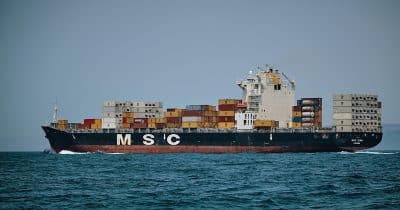
Following a US-Iran deal that reopens the Strait of Hormuz, Bahri supertankers have rerouted their shipping paths to the Gulf of Oman. This geopolitical development underscores cryptocurrency's sensitivity to global trade disruptions and the growing intersection between crypto markets and traditional commodity flows.
The reopening of the Strait of Hormuz following US-Iran negotiations represents a significant shift in global shipping logistics and energy markets. Bahri, Saudi Arabia's state-owned shipping company, adjusting supertanker routes reflects the tangible impact of diplomatic agreements on critical trade infrastructure. The Strait of Hormuz typically handles roughly one-third of global maritime petroleum trade, making its accessibility crucial for energy prices and supply chain stability.
This development gains relevance in crypto markets because energy costs directly influence mining profitability and blockchain infrastructure expenses. When geopolitical tensions restrict trade routes, energy prices spike, creating cascading effects throughout the cryptocurrency ecosystem. Conversely, normalized relations and reopened shipping lanes tend to moderate energy costs, potentially improving margins for institutional and retail participants in energy-intensive sectors like proof-of-work mining.
The article highlights how cryptocurrency markets increasingly function as barometers for macroeconomic and geopolitical conditions. Oil price volatility, shipping disruptions, and sanctions directly affect the regulatory environment and operational costs for blockchain infrastructure. Investors monitoring crypto exposure should track how normalized Middle Eastern trade routes influence energy pricing, which subsequently impacts mining economics and institutional adoption decisions.
Looking forward, participants should monitor whether sustained access through Hormuz leads to stabilized energy prices and improved blockchain infrastructure margins. Conversely, any renewed tensions could rapidly reverse shipping optimizations and trigger energy cost spikes that stress mining operations and depress risk asset valuations.
- →Bahri supertankers rerouting through reopened Strait of Hormuz signals normalized US-Iran trade relations
- →Geopolitical shipping changes directly impact energy costs, which influence cryptocurrency mining profitability
- →Normalized trade routes may help stabilize energy prices and improve blockchain infrastructure margins
- →Crypto markets remain sensitive to macroeconomic and geopolitical disruptions affecting global commodity flows
- →Future tensions or shipping disruptions could quickly reverse these gains and spike energy costs for mining operations