
US-Iran diplomatic deadlock persists amid stalled negotiations
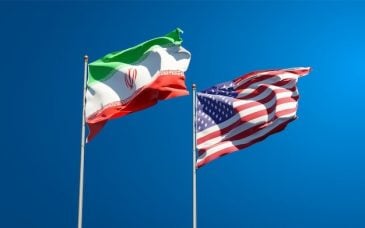
Diplomatic negotiations between the US and Iran remain deadlocked, creating prolonged geopolitical uncertainty that threatens global stability. The stalled talks weigh on market confidence and investor sentiment across risk assets, including cryptocurrency markets sensitive to macroeconomic and geopolitical shocks.
The US-Iran diplomatic impasse represents a significant geopolitical risk factor that extends beyond traditional foreign policy concerns into financial markets. The failure to progress negotiations signals continued tension in a region critical to global energy supplies and trade routes, creating uncertainty that typically pressures risk-on assets and strengthens safe-haven demand.
This deadlock builds on decades of US-Iran relations marked by sanctions, nuclear program disputes, and strategic competition. The current stalled negotiations reflect fundamental disagreements on key issues including sanctions relief, nuclear transparency, and regional proxy activities. Previous diplomatic breakthroughs, including the JCPOA, demonstrate that resolution is possible but requires sustained political will from both parties—currently absent.
Cryptocurrency markets respond acutely to geopolitical tensions through multiple channels. Elevated uncertainty typically increases volatility across equities and commodities, driving capital reallocation toward perceived safe-haven assets including Bitcoin and stablecoins. Additionally, any escalation risks could trigger oil price spikes, inflation concerns, and central bank policy shifts that indirectly influence crypto valuations and market sentiment. Investors in digital assets face heightened macroeconomic noise from this unresolved situation.
Market participants should monitor whether negotiations resume or tensions escalate further. A sudden breakthrough could reduce volatility and risk premiums, while escalation toward military confrontation would likely trigger sharp market dislocations. The indirect but measurable impact on crypto volatility and correlation patterns makes this a relevant macroeconomic watch point for cryptocurrency traders and portfolio managers.
- →US-Iran diplomatic stalemate persists, creating sustained geopolitical uncertainty affecting global markets
- →Unresolved negotiations weigh on risk asset valuations and increase cryptocurrency market volatility
- →Energy market risks from regional tensions could trigger inflation concerns and policy shifts
- →Cryptocurrency markets typically experience increased safe-haven demand during geopolitical crises
- →Traders should monitor negotiation developments as potential catalysts for significant market moves