
US strikes Iranian air defenses and drone site as Hormuz tensions rattle crypto markets
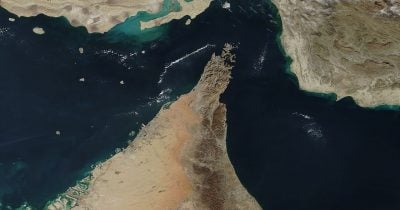
US military strikes on Iranian air defenses and drone facilities have escalated tensions in the Strait of Hormuz, a critical global oil chokepoint. The geopolitical conflict threatens to disrupt oil supply chains and destabilize financial markets, creating ripple effects across cryptocurrency assets that typically correlate with macroeconomic uncertainty.
The US strikes on Iranian military infrastructure represent a significant escalation in Middle Eastern tensions centered on the Strait of Hormuz, one of the world's most strategically important shipping routes. Approximately 20-30% of global oil transits through this narrow waterway, making any disruption a serious threat to energy security and global economic stability. This military action heightens concerns about potential Iranian retaliation and broader regional conflict, which historically triggers flight-to-safety behavior in financial markets.
The Hormuz tensions fit into a longer pattern of US-Iran antagonism that has periodically spiked since the 2015 nuclear deal withdrawal. Previous incidents in this region—including drone strikes and tanker attacks—have demonstrated the fragility of Middle Eastern stability and its outsized impact on global commodity prices. When oil supply becomes uncertain, traditional safe-haven assets like gold and volatility-linked instruments typically appreciate as investors hedge portfolio risk.
Crypto markets respond to geopolitical uncertainty through multiple mechanisms. Bitcoin and other digital assets have historically served as inflation hedges and alternative stores of value during periods of macroeconomic stress. Rising oil prices driven by supply concerns feed inflation expectations, potentially supporting cryptocurrency valuations. However, immediate market reactions may favor traditional safe-havens initially, with crypto outflows possible if risk-off sentiment dominates. Traders should monitor oil price movements and broader equity market volatility as leading indicators of crypto sentiment shifts.
Investors should watch for escalation signals including Iranian statements, US military posturing, and changes in oil futures pricing. Sustained price increases above $90-100 per barrel would amplify macroeconomic concerns and potentially support alternative asset demand.
- →US strikes on Iranian military sites escalate Middle East tensions around the critical Strait of Hormuz oil chokepoint.
- →Supply disruptions to 20-30% of global oil flow could trigger inflation concerns and macroeconomic instability.
- →Geopolitical crises typically drive flight-to-safety behavior, initially favoring traditional safe-havens over cryptocurrencies.
- →Bitcoin and crypto may benefit if tensions sustain elevated oil prices and inflation expectations long-term.
- →Oil futures pricing and equity market volatility are key indicators for predicting crypto market direction in this scenario.