
Trump plans new military strikes as US-Iran talks end without resolution
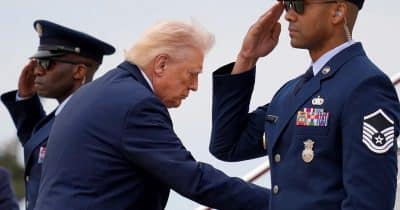
Escalating U.S.-Iran tensions and planned military strikes have derailed diplomatic negotiations, creating significant geopolitical uncertainty. This breakdown in talks threatens global stability and historically triggers risk-off market conditions affecting cryptocurrency and broader asset classes.
The collapse of U.S.-Iran negotiations without resolution represents a critical inflection point in Middle Eastern geopolitics. When diplomatic channels fail and military posturing intensifies, markets typically respond with increased volatility as investors reassess risk exposure. Historical precedent shows that U.S.-Iran military escalations correlate with flight-to-safety behavior, where investors move capital toward perceived safe havens including traditional assets like gold and, increasingly, cryptocurrencies like Bitcoin.
Geopolitical instability of this magnitude creates multiple pressure points across global markets. Oil price volatility becomes a primary concern, as Middle Eastern tensions directly impact energy markets. When oil prices spike due to conflict risk, inflation expectations rise and risk appetite contracts. Cryptocurrency markets, despite their digital nature, remain tightly correlated with macro risk sentiment—especially during acute geopolitical crises when institutional investors rebalance portfolios toward lower-risk positions.
For crypto investors and traders, this development warrants heightened vigilance. While Bitcoin has historically appreciated during periods of geopolitical uncertainty due to its safe-haven narrative, the immediate effect often involves increased volatility and potential short-term liquidations as leveraged positions unwind. DeFi protocols face systemic risks as volatility spikes typically trigger cascade liquidations in lending platforms. The broader macroeconomic ripple effects—potential oil price shocks, currency fluctuations, and equity market corrections—create secondary headwinds for digital asset valuations.
Market participants should monitor developments closely for potential escalation signals, sanctions announcements, or unexpected diplomatic breakthroughs that could trigger sharp directional moves.
- →Failed U.S.-Iran talks increase military action probability, triggering risk-off sentiment across global markets
- →Geopolitical escalation historically drives Bitcoin appreciation but creates short-term volatility and liquidation risks
- →DeFi protocols face cascading liquidation exposure during periods of heightened market volatility
- →Oil price volatility from Middle East tensions creates secondary macro headwinds for cryptocurrency valuations
- →Investors should establish risk management protocols and monitor geopolitical developments for escalation signals