
US and Iran establish military hotline, plan de-mining in Hormuz Strait
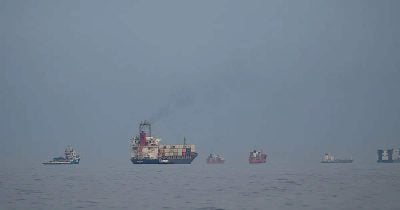
The United States and Iran have established a military hotline and initiated de-mining operations in the Strait of Hormuz, a critical chokepoint for global oil trade. These diplomatic measures aim to reduce military tensions and stabilize one of the world's most strategically important shipping lanes, potentially benefiting energy markets and reducing geopolitical risk premiums.
The establishment of a US-Iran military hotline represents a significant de-escalation in regional tensions that have persisted for years. The Strait of Hormuz serves as a passage for approximately one-third of global maritime oil trade, making it vital to energy security and economic stability worldwide. The addition of de-mining operations signals a commitment to removing physical obstacles that could trigger accidental conflict and demonstrates mutual interest in reducing flashpoints for miscalculation.
This development emerges amid broader regional instability concerns and previous incidents involving tanker seizures and military posturing that elevated oil price volatility. The hotline mechanism provides both nations with direct communication channels to prevent accidental escalation, while de-mining efforts address concrete maritime hazards. These steps reflect recognition that sustained tensions undermine both nations' economic interests and regional stability.
For commodity and financial markets, reduced geopolitical risk in the Hormuz Strait typically correlates with lower oil price premiums. Energy costs directly impact inflation expectations, cryptocurrency market sentiment, and broader macroeconomic conditions that influence risk asset valuations. De-escalation signals may reduce the "risk-off" sentiment that often drives safe-haven asset demand and increases appetite for growth assets including technology and emerging sectors.
Monitoring implementation remains crucial. The success of these initiatives depends on sustained diplomatic engagement and adherence to agreements. Future developments include whether these mechanisms prevent maritime incidents, expand to additional cooperation areas, and whether other regional actors acknowledge or challenge these arrangements. Market participants should track rhetoric from both governments and actual operational changes in Hormuz shipping patterns.
- →US-Iran military hotline and de-mining plans reduce accident risk in the Strait of Hormuz, critical for one-third of global maritime oil trade.
- →Decreased geopolitical tensions typically lower oil price risk premiums, potentially reducing inflationary pressures on broader markets.
- →Direct military communication channels may prevent miscalculation-driven conflicts that historically spike volatility across commodities and risk assets.
- →Implementation success depends on sustained diplomatic engagement and actual operational changes, not just agreement announcements.
- →Regional stability improvements could shift sentiment from risk-off to risk-on positioning, affecting cryptocurrency and growth asset demand.