
US military strikes Iranian site in Strait of Hormuz, intercepts drones
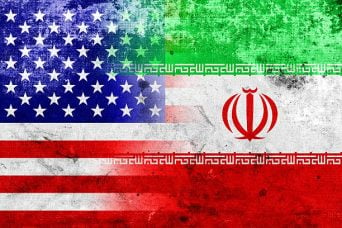
U.S. military forces conducted strikes against an Iranian site in the Strait of Hormuz and intercepted drones, escalating tensions in a region critical to global oil supply. The incident heightens geopolitical risk in one of the world's most strategically important waterways, with potential implications for energy markets and macroeconomic stability.
The U.S.-Iran military confrontation in the Strait of Hormuz represents a significant escalation in regional tensions. The Strait serves as a chokepoint for approximately 20-30% of global oil trade, making any disruption to shipping lanes a concern for energy markets worldwide. Military strikes and drone interception incidents signal deteriorating diplomatic channels and increased risk of unintended escalation between the two powers.
This conflict stems from longstanding U.S.-Iran hostilities exacerbated by sanctions regimes, nuclear program disputes, and proxy conflicts across the Middle East. The Strait of Hormuz has historically been a flashpoint for geopolitical tension, with multiple incidents over the past decade involving tanker attacks, mine placements, and naval confrontations. Each escalation incrementally raises the perceived risk premium in energy markets.
Crypto and traditional markets respond to geopolitical uncertainty through flight-to-safety dynamics. Oil prices typically surge during Middle Eastern conflicts, driving inflation concerns and broader portfolio rotation. Bitcoin and other cryptocurrencies often benefit from geopolitical crises as investors seek non-correlated assets and hedges against currency devaluation. Energy-linked commodity prices directly impact inflation expectations, which influence Federal Reserve policy and risk asset valuations.
Investors should monitor diplomatic communications, shipping incidents, and oil price movements as indicators of escalation trajectory. Further military confrontations could trigger sustained oil price spikes, supply disruptions, and broader macroeconomic consequences affecting both traditional and digital asset markets.
- →U.S.-Iran military escalation in Strait of Hormuz threatens global oil supply routes and energy price stability
- →Geopolitical crises historically trigger flight-to-safety demand for non-correlated assets like Bitcoin
- →The Strait of Hormuz handles 20-30% of global petroleum trade, making disruptions economically significant
- →Energy price spikes from Middle East conflicts cascade into inflation expectations and monetary policy impacts
- →Investors should monitor diplomatic developments and shipping data as early warning indicators of further escalation