
Exchange of fire reported between US and Iranian forces in Strait of Hormuz
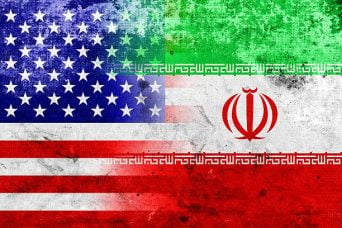
Military tensions escalated in the Strait of Hormuz with reported exchanges of fire between US and Iranian forces, raising concerns about potential disruptions to global oil supplies and regional stability. Such geopolitical friction historically correlates with crude oil price volatility, which indirectly influences cryptocurrency market dynamics through macroeconomic uncertainty.
The reported military engagement in the Strait of Hormuz represents a critical flashpoint in US-Iran relations, one of the world's most strategically important waterways. Approximately 21% of global petroleum passes through this chokepoint daily, making any sustained disruption a significant macroeconomic event. Previous escalations in this region have triggered immediate crude oil price spikes, creating cascading effects across global markets.
This incident builds on years of escalating tensions following the US withdrawal from the Iran nuclear deal in 2018 and subsequent reimposition of sanctions. Iran has periodically threatened to close the strait or restrict shipping, while the US maintains a naval presence ostensibly to ensure freedom of navigation. Each military confrontation raises the probability of accidental escalation or deliberate blockade actions.
For cryptocurrency markets, geopolitical instability functions as a risk-off catalyst. When oil prices spike due to supply concerns, inflation expectations rise, potentially pressuring risk assets including cryptocurrencies. Conversely, uncertainty sometimes drives investors toward Bitcoin as a hedge against currency devaluation or geopolitical chaos. Energy-intensive sectors like cryptocurrency mining also face cost pressures if oil-related inflation spreads to electricity markets.
Monitoring this situation remains essential for investors exposed to macro volatility. If tensions escalate into sustained military conflict or shipping blockades, energy cost inflation could reshape crypto mining economics and alter macroeconomic conditions underlying digital asset valuations. Market participants should track oil prices, Iranian official statements, and US military posture as leading indicators.
- →Military engagement in the Strait of Hormuz threatens 21% of global oil supply, creating macroeconomic uncertainty that affects crypto markets.
- →Geopolitical risk typically drives risk-off behavior, putting downward pressure on cryptocurrencies despite Bitcoin's theoretical safe-haven properties.
- →Energy cost inflation from oil price spikes directly impacts cryptocurrency mining profitability and operational economics.
- →Sustained escalation could trigger broader inflation expectations, complicating monetary policy and pressuring risk assets.
- →Investors should monitor this situation as an early warning signal for macro volatility affecting both traditional and digital markets.