
US strikes Iranian targets along Strait of Hormuz amid rising tensions
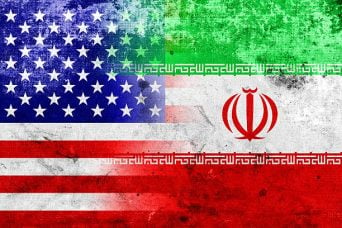
US military strikes on Iranian targets near the Strait of Hormuz have intensified regional tensions, raising concerns about potential broader military escalation. The conflict threatens to disrupt global energy markets, which carry significant implications for cryptocurrency and broader financial markets dependent on crude oil price stability.
The escalation of US-Iran military tensions represents a critical geopolitical development with cascading effects across global markets. Direct military strikes near the Strait of Hormuz—one of the world's most strategically important chokepoints for energy transit—create immediate risks for supply chain disruption affecting roughly 21% of global petroleum trade. This geopolitical friction historically correlates with increased energy price volatility and risk-off sentiment in financial markets.
US-Iran tensions have cyclically flared since the 2015 Iran nuclear deal withdrawal, but recent strikes signal a more active military posture. The Strait of Hormuz remains a flashpoint due to its geographic importance and Iran's periodic threats to restrict shipping. Previous tensions in this region have triggered sharp oil price spikes and broader market corrections across risk assets.
For cryptocurrency markets, geopolitical crises typically function as macro drivers affecting capital flows and risk appetite. Energy price shocks indirectly impact crypto through macroeconomic contagion—rising oil prices fuel inflation expectations, potentially constraining central bank policy flexibility and creating headwinds for risk assets including Bitcoin and altcoins. Energy-intensive blockchain networks also face operational cost increases if electricity prices rise due to crude price spikes.
Investors should monitor developing military engagements, statements from regional stakeholders, and crude oil futures pricing as early warning indicators. Extended conflict risks triggering recession fears and flight-to-safety dynamics that could suppress crypto valuations, while paradoxically making decentralized finance more attractive as geopolitical hedge instruments.
- →US strikes on Iranian targets near Strait of Hormuz raise military escalation risks affecting global energy security.
- →Disruption to 21% of global petroleum transit through the strait could trigger oil price volatility and inflationary pressures.
- →Cryptocurrency markets face headwinds from macroeconomic uncertainty and potential risk-off sentiment stemming from geopolitical crisis.
- →Energy costs for blockchain networks may increase if crude prices spike due to supply chain disruptions.
- →Investors should treat this as a macro risk factor monitoring crude futures, military developments, and corresponding capital flow shifts.