
Iran-US memorandum of understanding eliminates need for Pakistan-brokered Switzerland meeting
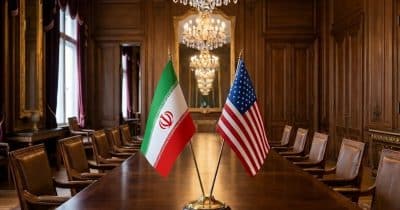
An electronic memorandum of understanding between the US and Iran has eliminated the need for a Pakistan-brokered diplomatic meeting in Switzerland, potentially reshaping global energy markets and cryptocurrency dynamics through direct bilateral engagement rather than traditional intermediary-based diplomacy.
The shift toward direct US-Iran engagement through electronic channels represents a significant departure from conventional multilateral diplomatic frameworks that have historically governed Middle Eastern negotiations. This development carries material implications for global energy markets, which remain tightly coupled with cryptocurrency valuations given crypto's sensitivity to macroeconomic conditions and geopolitical risk premiums. Energy price stability directly influences inflation expectations and central bank monetary policy, factors that cascade through digital asset markets.
The bypass of Pakistan-mediated talks through Switzerland suggests both nations are moving toward expedited bilateral resolution mechanisms, potentially reducing diplomatic friction and uncertainty that typically elevates risk-on volatility. Historically, Middle Eastern geopolitical tensions have triggered safe-haven flows into both traditional assets and cryptocurrencies, depending on market composition and sentiment. A stabilization of US-Iran relations could dampen demand for alternative value stores while simultaneously improving macroeconomic predictability—a factor institutional investors weigh heavily.
For cryptocurrency markets, sustained geopolitical de-escalation generally reduces the geopolitical risk premium embedded in crypto valuations. However, energy market normalization could strengthen the US dollar and increase real interest rates, potentially creating headwinds for risk assets. The electronic nature of this MOU reflects broader digitization of diplomacy, suggesting governments are increasingly comfortable conducting sensitive negotiations through digital channels—a trend with subtle implications for how policy decisions affecting crypto regulation emerge and are implemented in real-time.
- →Direct US-Iran engagement through electronic MOU bypasses traditional intermediary diplomacy, potentially reducing uncertainty in global energy markets.
- →Energy price stability influences macroeconomic conditions that directly impact cryptocurrency valuations and institutional crypto adoption.
- →De-escalation of US-Iran tensions may reduce geopolitical risk premiums historically embedded in crypto markets.
- →Normalization of US-Iran relations could strengthen USD and increase real rates, creating potential headwinds for risk assets including crypto.
- →Electronic diplomacy channels demonstrate governments' growing comfort with digital infrastructure for sensitive negotiations.