
Naval mine discovery heightens US-Iran tensions in Strait of Hormuz
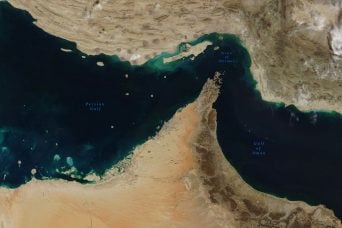
Escalating US-Iran tensions following a naval mine discovery in the Strait of Hormuz threaten to disrupt maritime shipping and global oil supply chains. The geopolitical conflict could create prolonged supply instability, with significant implications for energy markets and broader economic conditions affecting cryptocurrency and digital asset valuations.
The discovery of naval mines in the Strait of Hormuz represents a critical escalation in US-Iran tensions, one of the world's most strategically important chokepoints for energy commerce. Approximately 21% of global petroleum passes through this waterway, making any disruption a systemic risk to global energy markets. The incident reflects deepening military posturing between the two nations, with potential for accidental or deliberate escalation that could severely impact shipping routes and insurance costs for maritime commerce.
Historically, US-Iran tensions have waxed and waned with sanctions cycles, nuclear negotiations, and regional proxy conflicts. The current situation follows a pattern of maritime incidents in the Persian Gulf dating back years, suggesting structural instability rather than isolated provocation. These recurring tensions have previously triggered oil price spikes and broader macroeconomic uncertainty that reverberates across cryptocurrency markets.
For cryptocurrency and digital asset investors, prolonged maritime disruptions trigger inflation concerns through elevated energy prices, which historically correlates with increased volatility in risk assets. Bitcoin and other cryptocurrencies often respond negatively to stagflation scenarios—where economic growth stalls while inflation accelerates. Insurance and shipping cost increases would further pressure global supply chains, potentially strengthening the case for inflation hedges, including some digital assets.
Market participants should monitor oil futures pricing, shipping indices, and broader geopolitical risk indicators. Any significant disruption to crude flows could force central banks toward policy adjustments, directly affecting cryptocurrency valuations through yield curve changes and risk sentiment shifts.
- →Naval mine discovery in Strait of Hormuz escalates US-Iran military tensions amid critical global oil shipping route
- →Disruption could impact approximately 21% of global petroleum supply, triggering inflation concerns and macroeconomic volatility
- →Cryptocurrency markets typically respond negatively to stagflation scenarios resulting from energy supply shocks
- →Investors should monitor crude oil futures and shipping index movements as leading indicators of market impact
- →Prolonged tensions could force monetary policy adjustments that directly affect digital asset valuations through yield changes