
US-Iran negotiations progress amid military tensions in Strait of Hormuz
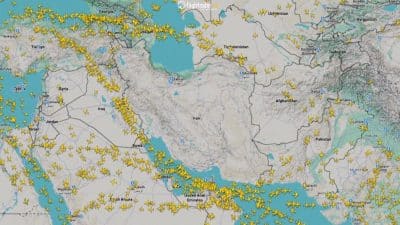
US-Iran negotiations are advancing despite ongoing military tensions in the Strait of Hormuz, a critical chokepoint for global oil transport. Progress in diplomatic talks could reduce geopolitical risk and stabilize oil markets, which directly influences cryptocurrency volatility and macroeconomic conditions affecting digital asset valuations.
The advancement of US-Iran negotiations represents a significant development in one of the most volatile geopolitical flashpoints globally. The Strait of Hormuz remains critical infrastructure for energy markets, with approximately 20% of the world's petroleum passing through this narrow waterway daily. Military tensions in this region create asymmetric risk that can trigger sudden market dislocations across asset classes.
Historically, US-Iran tensions have escalated dramatically, including the 2020 assassination of General Soleimani, which triggered immediate oil price spikes and cryptocurrency volatility as investors fled to safe havens. The current negotiation progress suggests a de-escalation trajectory, contrasting with recent years of heightened tensions. These discussions likely center on nuclear program restrictions and sanctions relief, reflecting efforts to restore diplomatic channels after years of confrontation.
For cryptocurrency and digital asset markets, geopolitical stability removes a significant tail-risk factor. Oil price shocks stemming from Strait of Hormuz disruptions can trigger broader macroeconomic consequences—inflation concerns, central bank policy shifts, and equity market volatility—all of which influence crypto positioning. Reduced military escalation risk lowers the probability of sudden energy price spikes that create inflationary pressures and force aggressive monetary policy responses.
Investors should monitor negotiation outcomes closely, particularly any agreements affecting sanctions or oil market dynamics. Successful de-escalation could stabilize macro conditions and reduce the perceived need for inflation-hedging assets, while renewed tensions would reverse these dynamics. The coming weeks will reveal whether current diplomatic momentum translates into concrete agreements that durably ease regional tensions.
- →US-Iran negotiations could reduce geopolitical risk premium embedded in oil prices and cryptocurrency valuations
- →The Strait of Hormuz handles 20% of global petroleum flows, making tensions there a systemic risk factor for markets
- →De-escalation removes a tail-risk scenario that historically triggers crypto volatility and flight-to-safety dynamics
- →Successful diplomacy may stabilize macroeconomic conditions and reduce inflation-hedging demand for digital assets
- →Investors should monitor negotiation outcomes as renewed tensions would reverse stabilization effects