
US-Iran nuclear talks stall as Iran insists on enrichment rights
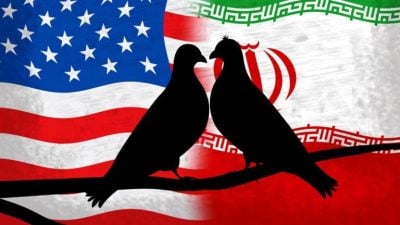
Negotiations between the US and Iran over nuclear enrichment rights have stalled, with Iran maintaining its demands for unrestricted uranium enrichment capabilities. The diplomatic impasse threatens to escalate regional tensions and complicate international security arrangements, with potential spillover effects on global markets and geopolitical stability.
The breakdown in US-Iran nuclear talks represents a critical juncture in Middle Eastern diplomacy, where fundamental disagreements over nuclear sovereignty have reached an apparent deadlock. Iran's insistence on enrichment rights reflects its assertion of national autonomy in nuclear development, while the US position emphasizes non-proliferation safeguards. This stalemate carries significance beyond diplomatic circles, as nuclear tensions historically correlate with commodity price volatility, particularly in oil markets where geopolitical risk premiums directly influence energy costs.
The broader context involves decades of adversarial relations punctuated by the 2015 Joint Comprehensive Plan of Action (JCPOA), which the US withdrew from in 2018 under the Trump administration. Iran's subsequent nuclear advances and the current inability to negotiate new frameworks suggest both parties have hardened their positions, making future agreements increasingly difficult. Regional actors including Israel, Saudi Arabia, and Gulf states monitor these developments closely, creating a security environment where miscalculation risks escalation.
For cryptocurrency and financial markets, geopolitical uncertainty traditionally drives demand for alternative assets and safe-haven repositioning. Elevated tensions typically increase volatility across equities, commodities, and digital assets as investors reassess risk exposure. The lack of diplomatic progress removes a potential catalyst for risk-off sentiment reversal, keeping markets positioned defensively.
Observers should monitor whether either party signals willingness to resume negotiations, potential Israeli or regional military responses to Iranian nuclear advancement, and international community consensus on sanctions enforcement. These developments will shape risk sentiment across global markets in coming months.
- →Iran and US nuclear negotiations have stalled over uranium enrichment rights, with both sides maintaining incompatible positions
- →Prolonged diplomatic deadlock increases regional security risks and geopolitical uncertainty affecting global markets
- →Historical precedent shows nuclear tensions correlate with elevated energy prices and commodity volatility
- →Cryptocurrency markets typically experience defensive positioning during elevated geopolitical risk periods
- →Resolution prospects remain uncertain without significant policy shifts from either negotiating party