
US-Iran peace deal reportedly includes $300B reconstruction fund: NYT
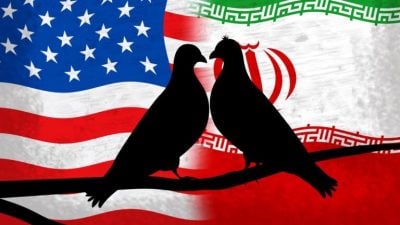
Reports indicate a proposed US-Iran peace deal includes a $300 billion reconstruction fund, potentially reshaping Middle Eastern geopolitics. The fund could facilitate economic recovery in Iran and influence ongoing nuclear negotiations, with broader implications for global markets and sanctions regimes.
A reported $300 billion reconstruction fund embedded within US-Iran peace negotiations represents a significant geopolitical development with cascading economic implications. Such a fund would constitute the largest bilateral economic commitment between the nations in decades, signaling a potential thaw in decades-long tensions. The reconstruction focus suggests negotiations have moved beyond nuclear constraints to address Iran's economic isolation and infrastructure needs, indicating serious progress toward comprehensive normalization.
Historically, US-Iran relations have been dominated by sanctions regimes implemented following the 1979 revolution and strengthened after the Trump administration's 2018 withdrawal from the JCPOA nuclear deal. This fund would represent a dramatic reversal, conditional likely on verifiable nuclear compliance and regional security assurances. The scale of the commitment reflects recognition that sustainable peace requires economic integration alongside diplomatic agreements.
For financial markets, such a deal carries dual significance. A reconstruction fund would inject substantial capital into Iran's economy, potentially opening previously sanctioned sectors to international trade and investment. However, cryptocurrency markets could experience volatility given Iran's historical reliance on crypto for sanctions evasion—normalized banking access might reduce demand for decentralized financial alternatives. Conversely, international investors seeking exposure to Iranian economic recovery would face new opportunities in traditional markets.
Monitoring key variables remains essential: formal agreement announcement timelines, specific fund disbursement mechanisms, sanctions rollback schedules, and verification protocols. Market participants should track secondary effects including oil price movements (Iran's economic revival could increase global supply) and emerging market sentiment shifts toward Middle Eastern assets.
- →A $300B reconstruction fund signals potential comprehensive US-Iran normalization beyond nuclear negotiations
- →The fund's implementation could reduce Iran's historical reliance on cryptocurrency for sanctions evasion
- →Oil market dynamics may shift significantly if Iranian sanctions are lifted and production increases
- →International investors face new opportunities in Iranian infrastructure and economic development sectors
- →Formal agreement details, verification mechanisms, and sanctions rollback timelines remain critical unknowns