
UN evacuates 11,000 stranded seafarers from Hormuz as US-Iran peace deal reopens critical shipping lane
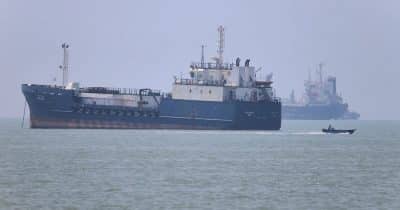
A US-Iran peace deal has reopened the Strait of Hormuz, enabling the UN to evacuate 11,000 stranded seafarers and normalizing traffic through one of the world's most critical energy chokepoints. The agreement eases geopolitical tensions that have disrupted global shipping and energy markets, with implications for cryptocurrency volatility tied to macro instability and regulatory frameworks in conflict-affected regions.
The reopening of the Strait of Hormuz represents a significant de-escalation in Middle Eastern geopolitical tensions that have constrained global energy flows for months. The US-Iran peace accord removes a critical risk factor that had driven uncertainty across financial markets, including cryptocurrency assets that typically experience volatility during periods of heightened geopolitical risk. The successful evacuation of 11,000 seafarers signals restored freedom of navigation in a waterway that handles approximately one-third of global maritime trade in energy commodities.
Historically, tensions around Hormuz have created macro shocks that ripple through all asset classes. Previous disruptions correlated with crypto volatility as investors hedged against broader economic uncertainty. This agreement potentially stabilizes the risk environment, reducing safe-haven demand drivers that sometimes benefit alternative assets during crises. The normalization of shipping lanes also suggests reduced inflationary pressures from energy supply disruptions, which indirectly affects monetary policy expectations that influence crypto valuations.
For the cryptocurrency ecosystem, the diplomatic breakthrough carries mixed implications. While reduced geopolitical risk typically pressures safe-haven assets and volatility premiums, the article specifically notes digital assets' role in conflict economies and regulatory challenges. Sanctions relief and normalized trade corridors may impact usage patterns in regions previously reliant on crypto for sanctions evasion. Additionally, stability in energy markets reduces one source of macroeconomic uncertainty that drives speculative positioning in digital assets.
Investors should monitor whether this peace deal sustains, as reversals would rapidly reinstate volatility premiums. Energy price stability and normalized global trade flows may support risk asset appetite more broadly, potentially affecting cryptocurrency sentiment alongside equities and commodities.
- →US-Iran peace deal reopens Strait of Hormuz, eliminating a major shipping chokepoint affecting global energy and financial markets.
- →Geopolitical risk reduction typically decreases volatility premiums that sometimes benefit cryptocurrency as a safe-haven or speculative asset.
- →Normalized trade corridors may reduce demand for cryptocurrencies used to circumvent sanctions in conflict-affected economies.
- →Energy market stabilization reduces macroeconomic uncertainty that drives alternative asset positioning and volatility in crypto markets.
- →Sustained diplomatic progress is critical; any reversal would quickly reinstate market risk premiums across all asset classes including digital assets.