
US ends maritime blockade and resumes Strait of Hormuz shipping after Iran peace agreement
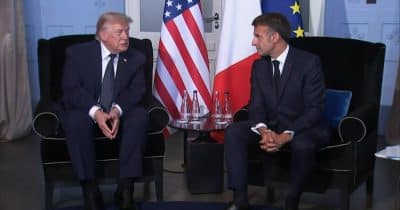
The US has ended its maritime blockade and resumed shipping through the Strait of Hormuz following a peace agreement with Iran. This geopolitical development could stabilize global energy markets and indirectly influence cryptocurrency valuations through reduced macroeconomic uncertainty.
The resolution of US-Iran tensions regarding the Strait of Hormuz represents a significant de-escalation in Middle Eastern geopolitics. One of the world's most critical chokepoints for oil transit, the Strait has historically been a flashpoint for conflict, with any disruption threatening global energy supplies. The agreement to resume normal shipping operations signals improved diplomatic relations and removes a major risk premium from energy markets.
This development follows years of escalating tensions, including previous blockade threats and sanctions regimes that created uncertainty in global trade flows. The broader context includes ongoing efforts to normalize relations in the Middle East and reduce geopolitical friction that has destabilized markets since 2020. Such agreements typically reflect shifting power dynamics and diplomatic strategies among major global powers.
For cryptocurrency markets, this matters because energy price stability directly influences macroeconomic conditions that drive investor risk appetite. Lower oil prices and reduced geopolitical uncertainty typically correlate with improved investor sentiment across risk assets, including cryptocurrencies. Bitcoin and altcoins have historically performed better during periods of geopolitical calm when macro anxiety diminishes.
The sustainability of this agreement remains uncertain, with implementation and enforcement details crucial for long-term stability. Traders should monitor compliance reports and any signs of renewed tensions that could reverse these gains. Additionally, energy sector performance and broader macroeconomic indicators will help gauge whether this agreement translates into sustained market stability.
- →The Strait of Hormuz reopening removes a major geopolitical risk premium from global energy markets.
- →Stabilized energy prices may improve macroeconomic conditions that support risk asset performance, including crypto.
- →The agreement represents a significant diplomatic shift after years of US-Iran tensions and blockade threats.
- →Long-term stability depends on successful implementation and compliance from both parties.
- →Crypto investors should monitor geopolitical indicators and energy markets as leading macro sentiment signals.