
US and Iran agree to end 110-day conflict, reopen Strait of Hormuz
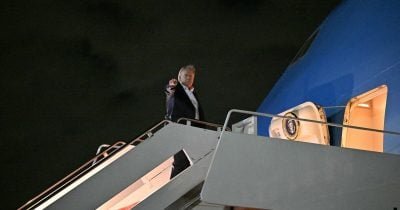
The US and Iran have agreed to end a 110-day conflict and reopen the Strait of Hormuz, a critical global shipping route. This diplomatic breakthrough creates potential for future negotiations on nuclear issues and sanctions, with significant implications for regional stability and global energy markets.
The resolution of US-Iran tensions represents a major geopolitical shift with cascading effects on global markets. The Strait of Hormuz handles approximately 20-30% of global petroleum trade, making its reopening strategically vital for energy prices and supply chain stability. This agreement signals a potential de-escalation cycle that reduces geopolitical risk premiums currently priced into commodities and cryptocurrencies.
The conflict's 110-day duration created uncertainty across multiple sectors, from traditional energy markets to crypto assets. Risk-off sentiment during prolonged geopolitical tensions typically benefits safe-haven assets like Bitcoin, which often serves as a hedge against macroeconomic instability and currency devaluation in conflict-affected regions. The agreement's impact on cryptocurrency markets depends on whether investors view the reduced tension as stability-promoting (potentially bearish for Bitcoin's safe-haven bid) or confidence-building for broader risk appetite.
The diplomatic framework opens doors for sanctions relief discussions, which could significantly impact Iranian asset access to global financial systems and cryptocurrency adoption within the region. Currently, cryptocurrency serves critical functions in Iran's economy due to traditional banking restrictions, making sanctions policy directly relevant to crypto adoption metrics in the Middle East.
Market participants should monitor whether this agreement leads to formal sanctions negotiations within 3-6 months. A successful sanctions reduction framework could reshape regional financial infrastructure and reduce demand pressures that currently drive crypto adoption in Iran. Conversely, failed negotiations could reignite tensions and reinforce cryptocurrency's utility as a censorship-resistant alternative to traditional banking in sanctioned economies.
- →Strait of Hormuz reopening reduces energy supply disruption risks and could lower oil price volatility
- →De-escalation may weaken Bitcoin's safe-haven bid if investors shift from risk-off to risk-on positioning
- →Potential sanctions negotiations could reshape cryptocurrency adoption patterns in Iran and the Middle East
- →Geopolitical risk premium contraction across traditional and alternative asset classes likely in coming weeks
- →Success depends on sustained diplomacy; failed negotiations would rapidly reverse market sentiment shifts