
US-Iran standoff disrupts Persian Gulf shipping, impacts Asian supply chains
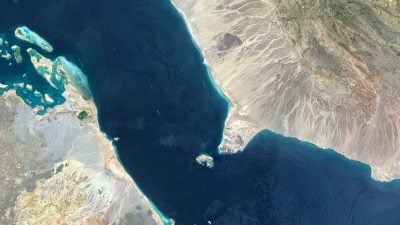
Escalating US-Iran tensions threaten critical shipping routes through the Persian Gulf, disrupting global supply chains and particularly impacting Asian markets. The geopolitical standoff creates upward pressure on commodity prices and shipping costs, introducing macroeconomic volatility that historically correlates with cryptocurrency market fluctuations.
The US-Iran standoff represents a significant geopolitical flashpoint with cascading economic consequences. Shipping through the Persian Gulf accounts for approximately 21% of global petroleum trade, making any disruption a critical systemic risk. When maritime routes face uncertainty or blockade threats, shipping insurance premiums spike and logistics costs increase substantially, creating inflationary pressure across global supply chains. Asian economies, which depend heavily on Middle Eastern oil and maintain significant trade flows through these waterways, face direct exposure to supply shocks and price volatility.
Historically, geopolitical crises in the Middle East trigger commodity price spikes and currency volatility that cascade through financial markets. Oil price surges create inflation concerns, prompting central bank policy shifts that affect asset valuations across equities, bonds, and cryptocurrencies. Bitcoin and other digital assets often serve as inflation hedges during such periods, though initial market reactions typically involve risk-off selling as investors reduce exposure to volatile assets.
For crypto markets specifically, Persian Gulf shipping disruptions create both headwinds and opportunities. Immediate effects include broader market uncertainty and potential deleveraging as traditional finance experiences volatility. However, sustained supply chain disruptions and inflation could drive longer-term institutional adoption of cryptocurrency as a store of value and portfolio diversification tool. Asian exchanges and cryptocurrency platforms may experience increased trading volumes as regional investors seek alternative asset classes insulated from currency and commodity shocks.
Market participants should monitor oil price movements, shipping insurance costs, and Asian currency fluctuations as leading indicators. Extended disruptions could fundamentally alter regional financial flows and asset allocation strategies.
- →Persian Gulf shipping disruptions directly threaten Asian supply chains and increase logistics costs globally.
- →Oil price volatility from geopolitical tensions historically correlates with cryptocurrency market movements and risk-off behavior.
- →Sustained supply chain pressure creates inflation concerns that may drive institutional adoption of digital assets as hedges.
- →Asian cryptocurrency exchanges likely experience volume increases as regional investors diversify from traditional assets.
- →Shipping insurance premiums and maritime costs serve as leading indicators of broader economic impact from the standoff.