
US forces fire on Iranian merchant ship, IRGC intervenes in Strait of Hormuz
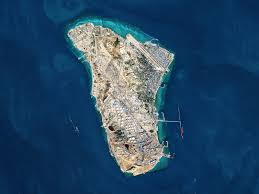
US military forces engaged a Iranian merchant vessel in the Strait of Hormuz, prompting intervention by Iran's Islamic Revolutionary Guard Corps (IRGC). The incident escalates geopolitical tensions in a critical shipping chokepoint, raising concerns about potential supply chain disruptions and energy market volatility that could ripple through cryptocurrency and broader financial markets.
The Strait of Hormuz serves as one of the world's most critical maritime chokepoints, with approximately 20-30% of global oil trade passing through its waters daily. Any military escalation in this region directly threatens energy supply stability and creates uncertainty in global markets. This incident between US and Iranian forces represents a tangible escalation beyond typical rhetoric, with the IRGC's direct intervention signaling heightened readiness and willingness to engage militarily.
Historically, tensions in the Strait have fluctuated with US-Iran relations, particularly following the 2015 nuclear deal's collapse and subsequent reimposition of sanctions. The region has experienced several near-miss incidents over the past five years, but active firing on commercial vessels marks a more dangerous threshold. This pattern reflects broader Middle East instability driven by geopolitical competition between US and Iranian interests.
Market implications are significant. Oil price volatility typically spikes during Strait tensions, which impacts inflation expectations and central bank policy—factors that indirectly affect cryptocurrency valuations through macro sentiment shifts. Energy-dependent economies face higher input costs, while risk-on asset classes including crypto may experience selling pressure as investors flee to perceived safety. Shipping insurance costs rise, further pressuring supply chains.
Investors should monitor whether this escalates into a broader conflict or remains an isolated incident. Key indicators include additional military deployments, shipping insurance premiums, and crude oil price movements. Extended tensions could trigger flight-to-safety dynamics, benefiting defensive assets while pressuring growth-oriented and speculative investments like cryptocurrencies.
- →US forces fired on Iranian merchant vessel; IRGC intervention indicates active military engagement in critical shipping corridor
- →Strait of Hormuz disruptions threaten 20-30% of global oil trade, creating inflationary pressure and macro market volatility
- →Geopolitical escalation typically triggers risk-off sentiment, pressuring speculative assets including cryptocurrencies
- →Shipping insurance costs and energy prices serve as leading indicators for broader market impact scope
- →Investors should monitor deployment patterns and crude oil volatility for signals of sustained conflict escalation