
US-Iran tensions rise as Aguilar hints at strategic escalation in Strait of Hormuz
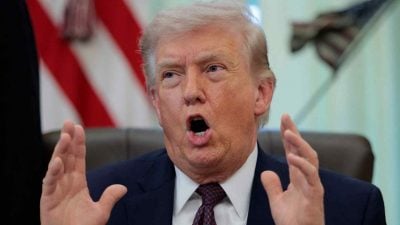
Escalating US-Iran tensions in the Strait of Hormuz threaten to destabilize global oil markets and undermine diplomatic efforts. The geopolitical risk in this critical shipping chokepoint has significant implications for energy prices and broader macroeconomic stability that ripple through cryptocurrency and asset markets.
The Strait of Hormuz represents one of the world's most strategically critical maritime passages, with approximately 20-30% of global petroleum exports transiting through its narrow channel daily. Heightened tensions between the US and Iran in this region create genuine supply-chain vulnerability and geopolitical risk that extends far beyond regional politics. When military posturing increases around energy infrastructure, global markets respond by pricing in uncertainty premiums across oil, equities, and alternative assets.
Historically, Strait of Hormuz tensions have triggered sharp crude oil price spikes, with previous incidents in 2019 and 2022 demonstrating the market's sensitivity to disruption fears. These episodes typically correlate with increased volatility across risk assets, including cryptocurrency markets, which investors often use as hedges during geopolitical uncertainty. The current escalation signals elevated macroeconomic risk that could influence central bank policy responses and broader monetary conditions.
For investors and traders, Strait of Hormuz tensions function as a macro risk factor that indirectly affects crypto valuations through energy price inflation, inflation expectations, and broader risk-off sentiment. Energy-related commodities, shipping costs, and global growth expectations all shift when tensions rise. Cryptocurrency markets have historically shown modest correlation with geopolitical risk premiums, though extreme scenarios (actual conflict disrupting supply) could trigger flight-to-liquidity events.
Monitoring this situation remains essential as diplomatic resolution attempts continue or fail. Traders should watch crude oil price action, shipping insurance costs, and broader equity market volatility as leading indicators of geopolitical risk escalation affecting asset allocation.
- →Strait of Hormuz tensions directly impact global oil supply and energy prices, which influence macroeconomic conditions affecting all asset classes including crypto.
- →Historical precedent shows geopolitical crises in this region correlate with commodity spikes and increased market volatility across risk assets.
- →Cryptocurrency markets indirectly respond to oil market disruption through inflation expectations, monetary policy implications, and risk-off sentiment shifts.
- →Investors should monitor crude prices, shipping derivatives, and equity volatility as early indicators of escalation or de-escalation trends.
- →Diplomatic resolution remains critical; actual supply disruption would trigger significantly larger market dislocations than current tensions alone.