
US-Iran Strait of Hormuz talks progressing, says Energy Secretary Wright
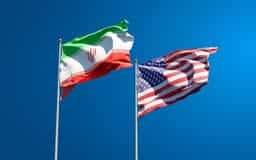
US Energy Secretary Wright reports progress in talks with Iran regarding the Strait of Hormuz, potentially easing geopolitical tensions that have historically impacted global energy markets. While negotiations could reduce military risks and stabilize oil prices, significant skepticism persists about the durability of any agreement.
The reported progress in US-Iran negotiations over the Strait of Hormuz represents a significant development in geopolitical risk management, particularly for energy markets. The Strait of Hormuz is one of the world's most critical chokepoints, with approximately 21% of global petroleum passing through it annually. Any escalation in US-Iran tensions in this region has historically triggered volatile swings in crude oil prices, creating uncertainty for both energy markets and blockchain-based commodities trading platforms.
This diplomatic development emerges against a backdrop of recurring tensions over Iranian nuclear capabilities and sanctions regimes. Previous attempts at de-escalation, including the JCPOA, have experienced reversals, explaining the skepticism mentioned in the reporting. The current talks suggest both parties recognize the economic costs of sustained tension, though structural disagreements remain unresolved.
For cryptocurrency and traditional financial markets, reduced geopolitical risk premiums could stabilize energy prices, which inversely correlates with risk-on asset classes including crypto. Lower energy costs also reduce mining operational expenses for bitcoin and other proof-of-work networks. Conversely, if talks collapse, renewed tensions could spike crude prices and reinforce safe-haven demand, potentially benefiting crypto as a hedge asset.
Investors should monitor the trajectory of these negotiations closely. Key indicators include whether substantive agreements emerge, sanctions relief progress, and any statements about naval operations in the Strait. Market participants exposed to energy commodity price volatility or those with significant mining operations should particularly track diplomatic developments, as successful negotiation could ease operational costs while failure might trigger commodity price spikes.
- →US-Iran Strait of Hormuz negotiations show progress, potentially reducing geopolitical risk in a critical global energy chokepoint.
- →The Strait of Hormuz handles approximately 21% of global petroleum, making negotiations directly relevant to energy prices and economic stability.
- →Reduced geopolitical tension could lower mining operational costs for proof-of-work cryptocurrencies dependent on energy prices.
- →Historical skepticism of US-Iran agreements warrants caution before pricing in permanent de-escalation benefits.
- →Cryptocurrency and energy markets remain sensitive to diplomatic developments due to oil price correlation with risk assets.